Introduction: What Is a Goshuin?
Discover one of Japan’s most beautiful travel traditions
Have you ever seen someone in Japan carrying an accordion-style book filled with bold black calligraphy and vivid red seals?
The book itself is called a Goshuincho (御朱印帳), and the beautiful calligraphy and stamps collected inside it are called Goshuin (御朱印).
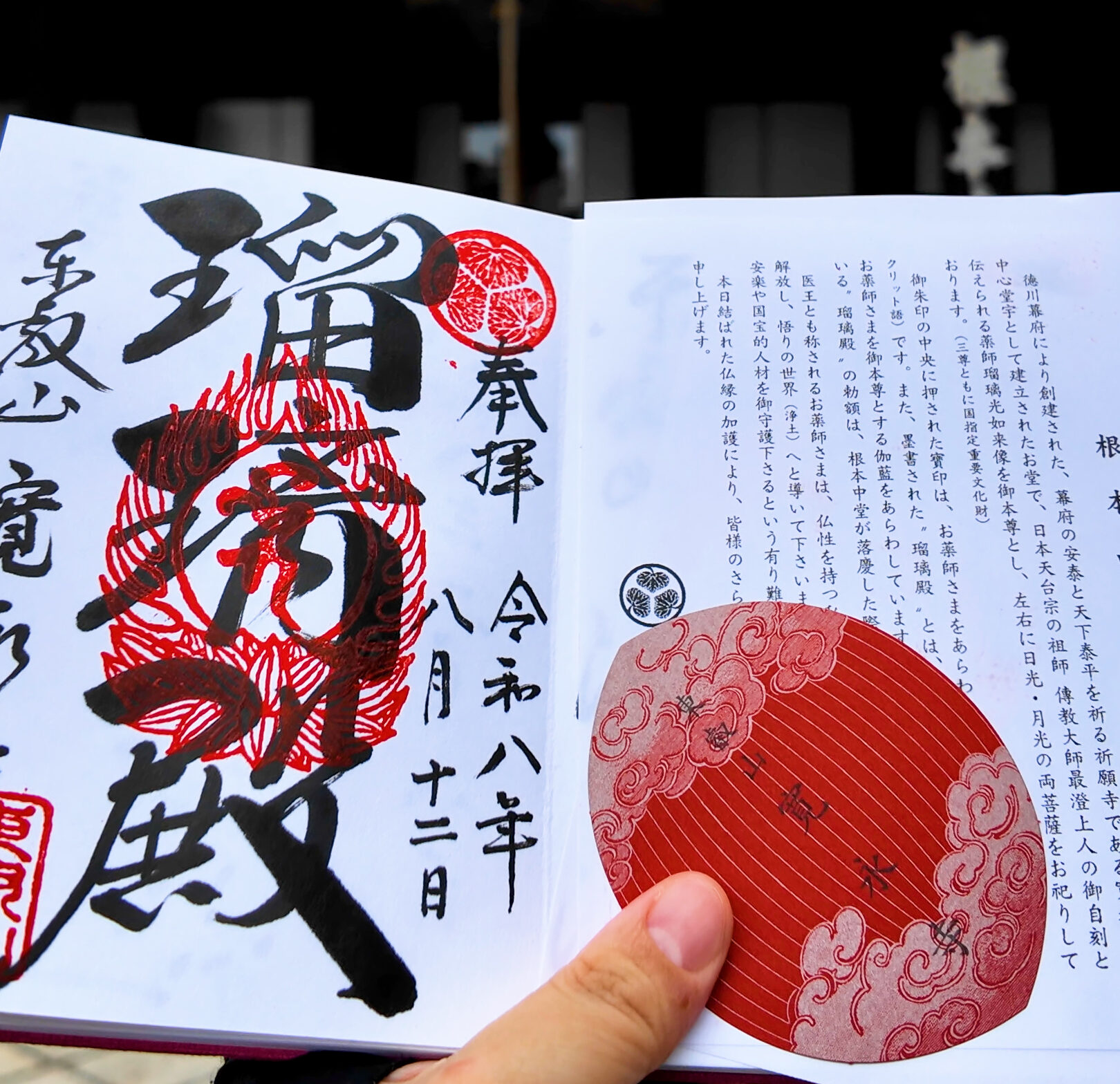
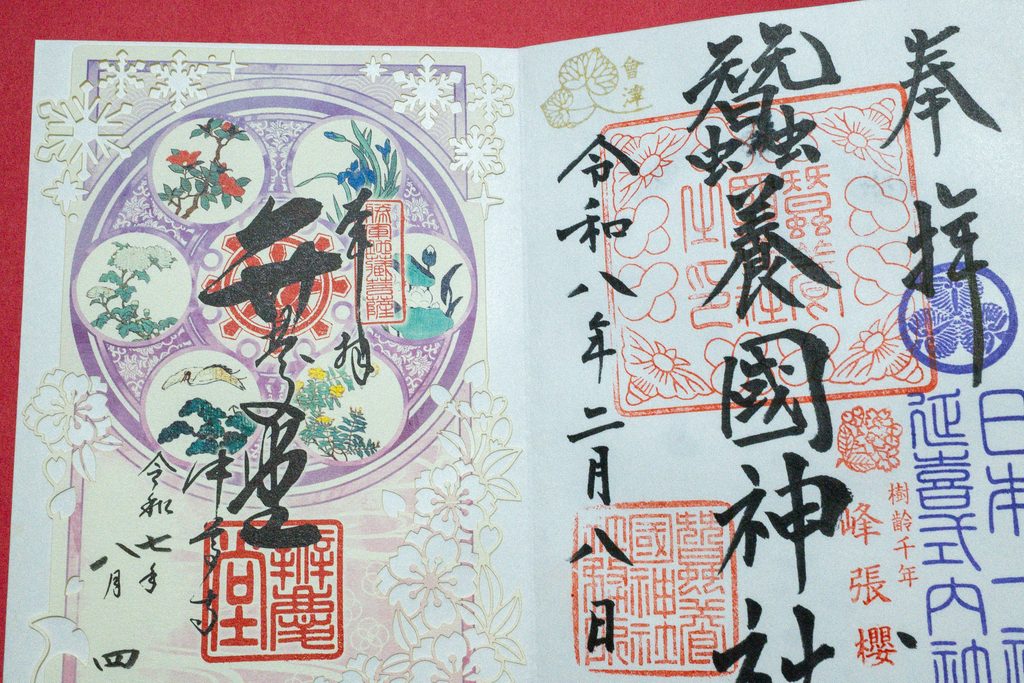
A Goshuin is traditionally received at Buddhist temples and Shinto shrines as a record of your visit. Each one is different, usually combining handwritten calligraphy, red seals, the name of the shrine or temple, and the date you visited.
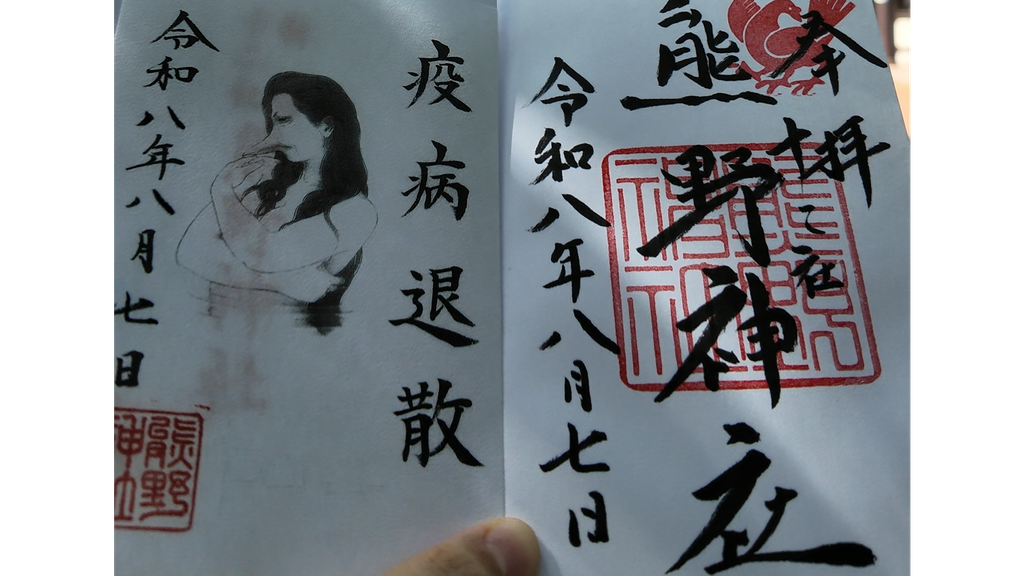
I received my first Goshuin years ago at a quiet shrine in Nagano. At the time, I didn’t really understand the tradition—I simply thought of it as something like a protective talisman.
Years later, during a trip to Aomori, everything changed.
I visited Hirota Shrine, known for its adorable goldfish motifs, and bought a Goshuincho there. The following day, I took it with me to Chuson-ji Temple in Iwate, where I had several Goshuin written directly into its pages.
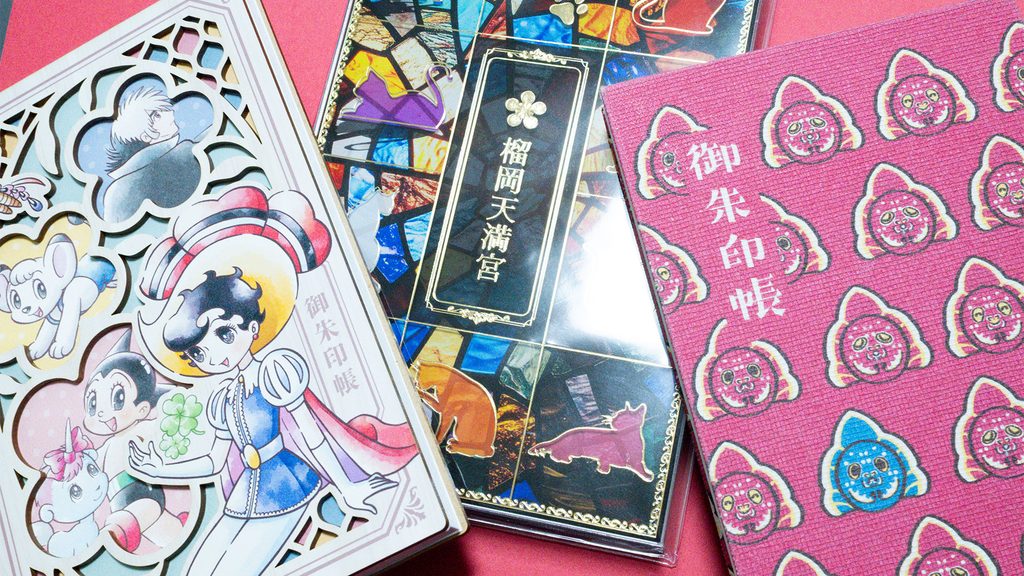
That was when I finally understood what made collecting Goshuin so special.
A Goshuin isn’t simply something you buy and take home. Each page records a particular place, date, and moment from your journey. Because the calligraphy and stamps can vary from visit to visit, your finished Goshuincho becomes a collection that is uniquely yours.
Years later, opening the book can instantly bring back memories of where you were, what the shrine or temple looked like, and even how you felt that day.
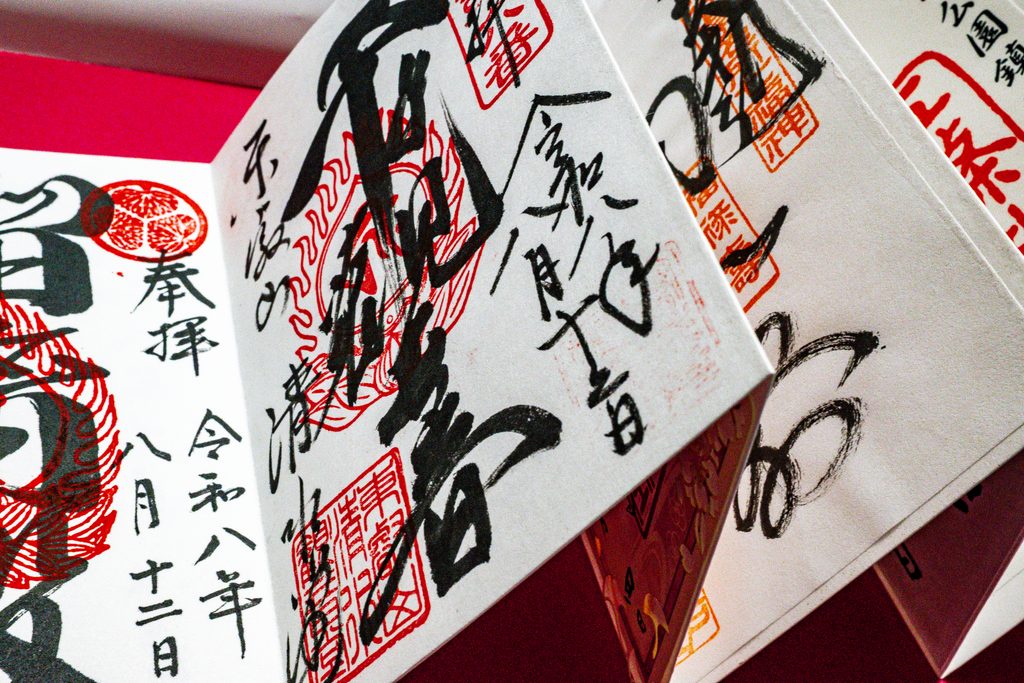
For travelers who want to experience Japanese culture beyond the usual sightseeing spots, collecting Goshuin can become a wonderful way to explore shrines and temples with a little more curiosity and purpose.
In this guide, I’ll explain what Goshuin are, how to receive one, how much they cost, what etiquette you should know, and what you need before starting your own collection in Japan.
The Story Behind Goshuin: From Pilgrimage Record to Personal Memory
Discover the history behind one of Japan’s most beautiful traditions
Goshuin may look like beautiful works of calligraphy today, but their origins are closely connected to Buddhist pilgrimage and sutra copying.
Centuries ago, pilgrims would copy Buddhist scriptures by hand—a devotional practice known as shakyō (写経)—and offer them to temples. In return, they received a written or stamped record confirming that the sutra had been presented. This practice is considered one of the origins of the Goshuin tradition.
The custom developed alongside pilgrimage culture, and by the Edo period, collecting these records had become increasingly popular even as the practice of personally offering copied sutras became less common. Goshuin eventually became associated with both Buddhist temples and Shinto shrines across Japan.
Today, a Goshuin is generally received as a record of your visit and worship at a shrine or temple. Although many travelers treasure them as beautiful souvenirs, they still have religious and cultural significance and should be treated with respect.
A typical Goshuin combines several elements:
- Black Calligraphy (Sumi / 墨): Often includes the name of the shrine or temple, the date of your visit, and other inscriptions.
- Red Vermilion Seals (Shuin / 朱印): One or more distinctive seals representing the shrine, temple, deity, or sacred site.
- A Record of Worship: More than simply proving where you have been, a Goshuin traditionally represents a visit made in worship or respect.
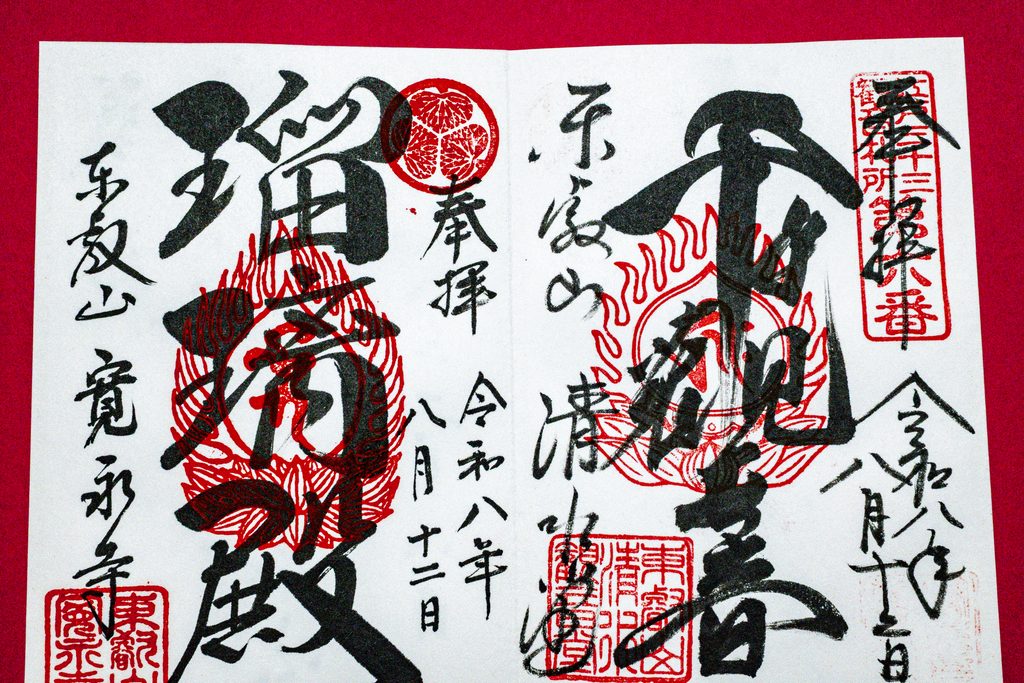
If you receive a directly written Goshuin (直書き / jikagaki), you may even be able to watch the calligraphy being added to your Goshuincho.
For me, this is one of the most memorable parts of collecting them.
The quiet movement of the brush, the fresh black ink, and the red seals appearing one by one make each page feel completely different from simply buying a printed souvenir.
And because the handwriting, stamps, dates, and seasonal designs can vary, even two people visiting the same place may leave with Goshuin that look slightly different.
That is part of their charm.
A Goshuin is not just a stamp showing that “I was here.”
For me, it feels more like a small piece of that particular day in Japan—preserved between the pages of my Goshuincho.
Shrine vs. Temple Goshuin: What’s the Difference?
How Shinto and Buddhist traditions appear on the page
Japan is home to both Shinto shrines (神社 / jinja) and Buddhist temples (寺 / tera or ji), and you can receive Goshuin at both.
At first glance, shrine and temple Goshuin may look quite similar: black calligraphy, red seals, and the date of your visit. But once you start collecting them, you’ll begin to notice differences in the words, symbols, and religious imagery used.
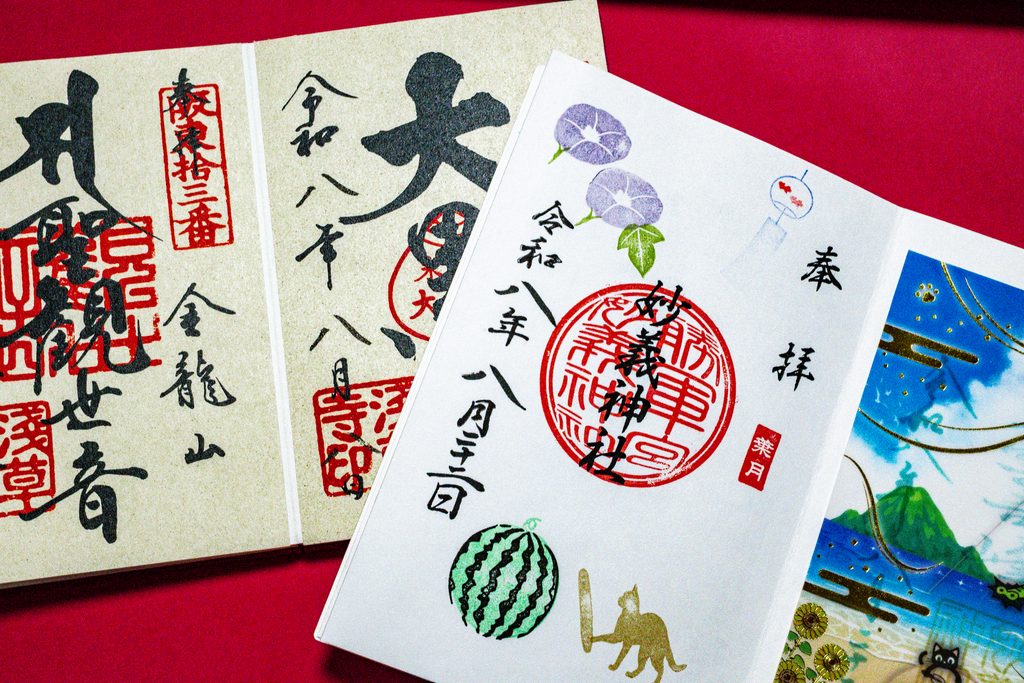
Goshuin from Shinto Shrines
Shrine Goshuin often feature the name of the shrine written prominently in calligraphy, together with one or more vermilion seals.
Depending on the shrine, the design may also include its crest, symbols connected with the enshrined deity, seasonal illustrations, or animals associated with the shrine.
For example, an Inari shrine may incorporate fox imagery, while other shrines may use flowers, mythical creatures, or local symbols.
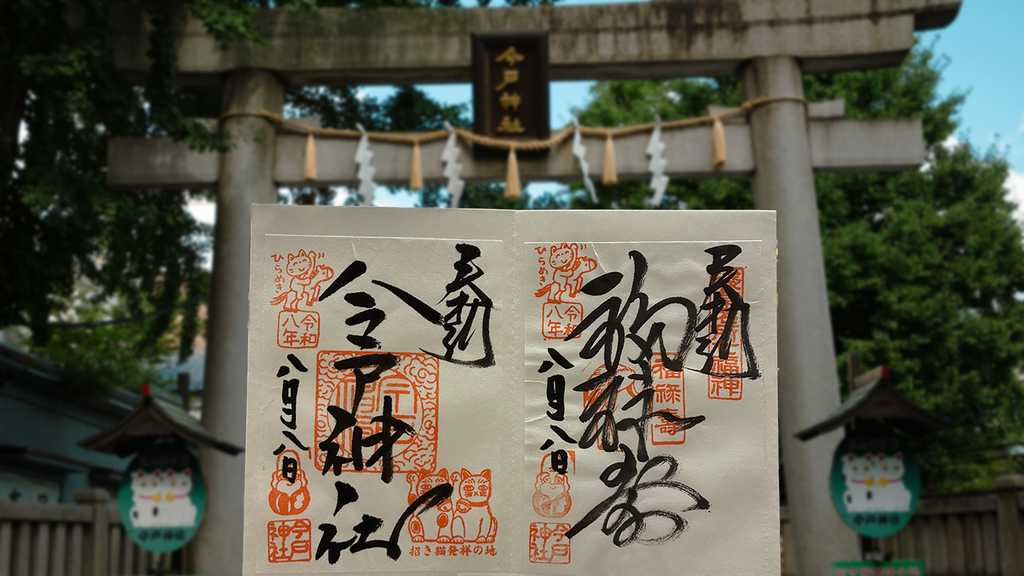
Goshuin from Buddhist Temples
Temple Goshuin often contain calligraphy connected with the Buddha, bodhisattva, or principal image worshiped at that temple, rather than simply displaying the temple’s name.
Some also include bonji (梵字)—Japanese forms of Siddham script traditionally used to represent Buddhist deities and sacred concepts.
This can make temple Goshuin look more intricate or mysterious to visitors who cannot read Japanese.
Can You Tell Them Apart Just by Looking?
Not always.
There is no single visual rule that applies to every shrine or temple. Some shrine Goshuin are extremely elaborate, while some temple Goshuin are beautifully simple.
That variety is part of what makes collecting them so interesting.
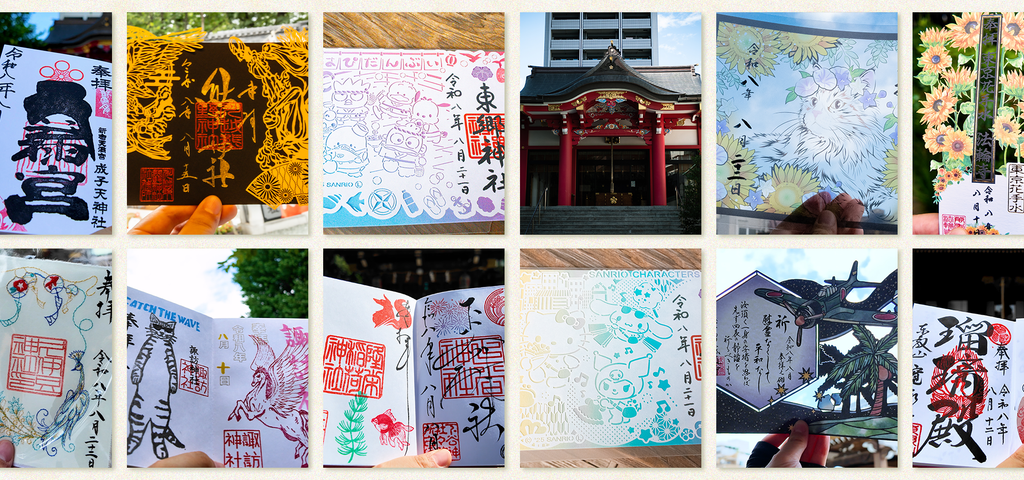
And modern Goshuin have become incredibly creative.
Alongside traditional black calligraphy and red seals, you may now encounter:
- Kirie Goshuin (切り絵御朱印): Intricate cut-paper designs that often incorporate flowers, animals, architecture, or seasonal scenery.
- Clear Goshuin: Transparent or translucent designs that can be layered over another page or held up to the light.
- Seasonal Goshuin: Limited designs inspired by cherry blossoms, hydrangeas, autumn leaves, festivals, or traditional Japanese celebrations.
- Character Goshuin: Playful collaborations or designs featuring familiar characters at selected shrines and temples.
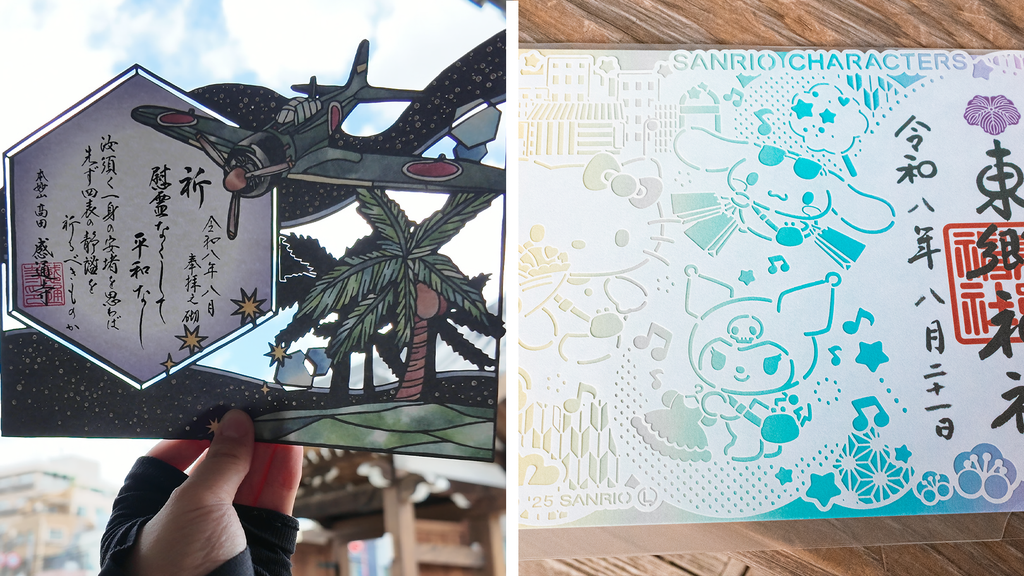
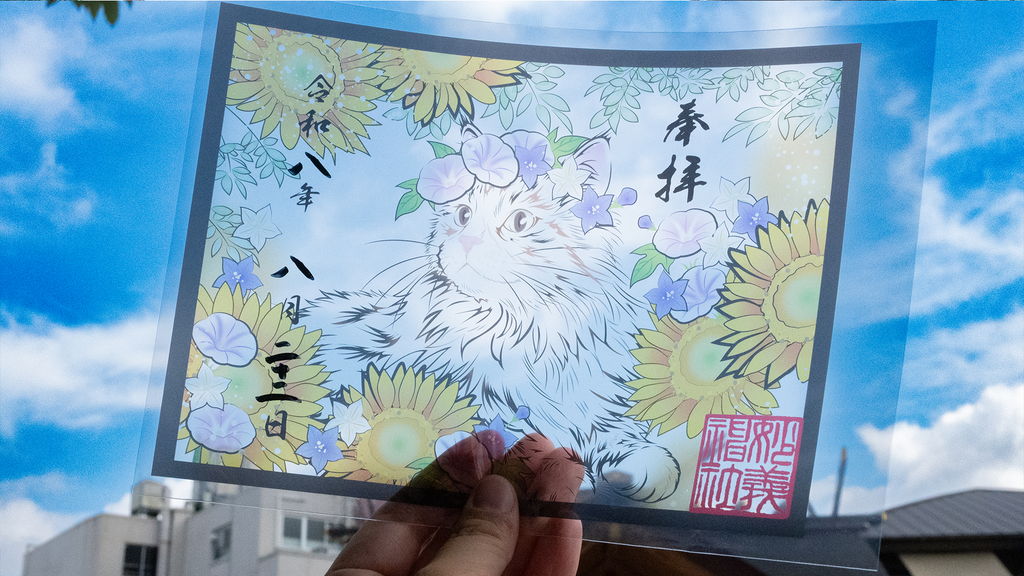
For me, this is one of the most exciting parts of Goshuin collecting.
You may enter a shrine expecting a traditional red-and-black design and leave with an intricate piece of cut-paper art—or discover a temple offering a seasonal Goshuin that will never look exactly the same again.
Every shrine and temple has its own personality, and sometimes you don’t know what you’ll find until you arrive.
Why Goshuin Are Different from Regular Tourist
More than a souvenir from the places you visit
Japan is full of fun souvenir stamps. You’ll find them at train stations, museums, castles, observation decks, and tourist attractions across the country.
But Goshuin are different.
A tourist stamp is usually something you stamp yourself simply to remember that you visited a place. A Goshuin, on the other hand, is connected to your visit and worship at a Shinto shrine or Buddhist temple.
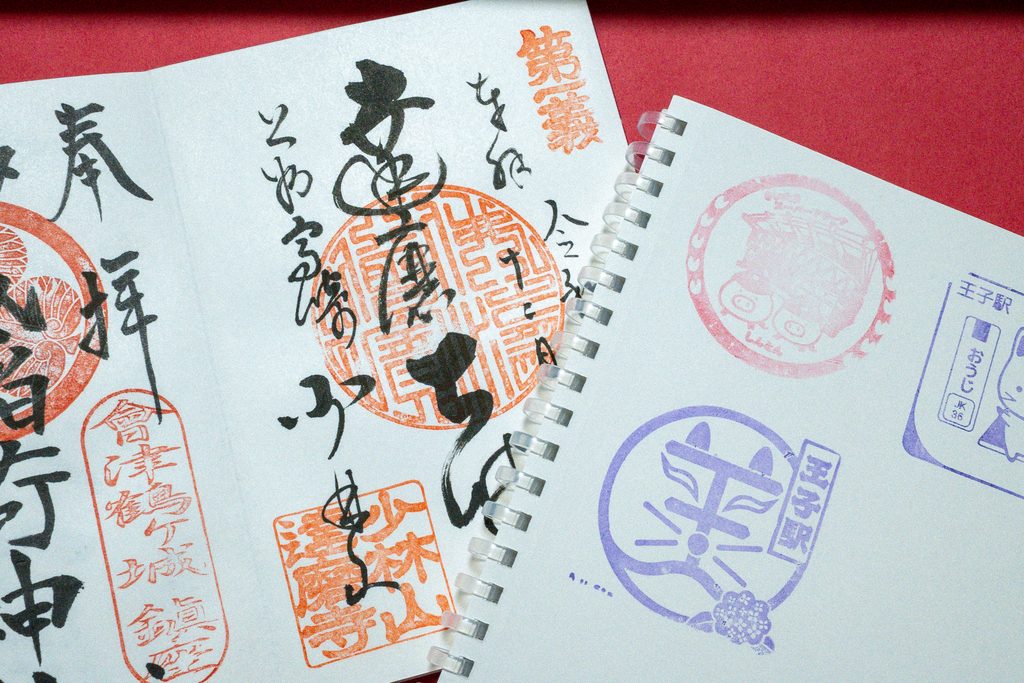
That difference changes the whole experience.
1. Visit and Worship First
When visiting a shrine or temple for Goshuin, the general etiquette is to pay your respects before receiving one.
At a Shinto shrine, this may include cleansing your hands at the temizuya if available before approaching the main sanctuary. At a Buddhist temple, you should similarly visit the main hall and pay your respects according to the customs of the temple.
Only afterward do you head to the Goshuin reception area.
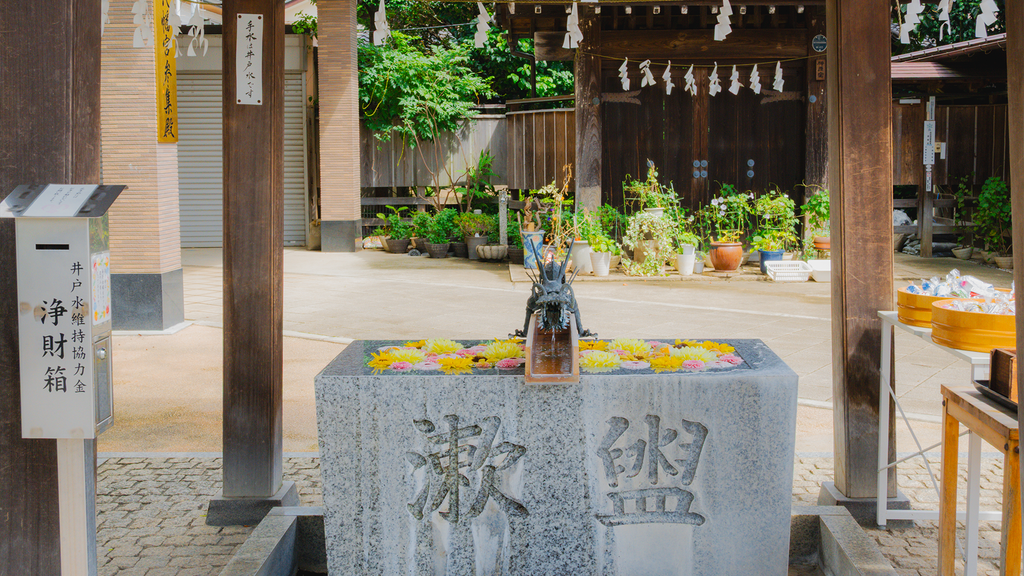
For me, this is an important difference.
Instead of thinking,
“I came here to collect another stamp,”
I try to think,
“I came here to visit this place—and the Goshuin will become a memory of that visit.”
2. Each Goshuin Is Connected to a Specific Place and Day
A Goshuin usually records the shrine or temple you visited and the date of your visit.
That means when you open your Goshuincho months or even years later, the page can remind you exactly where you were on that particular day.
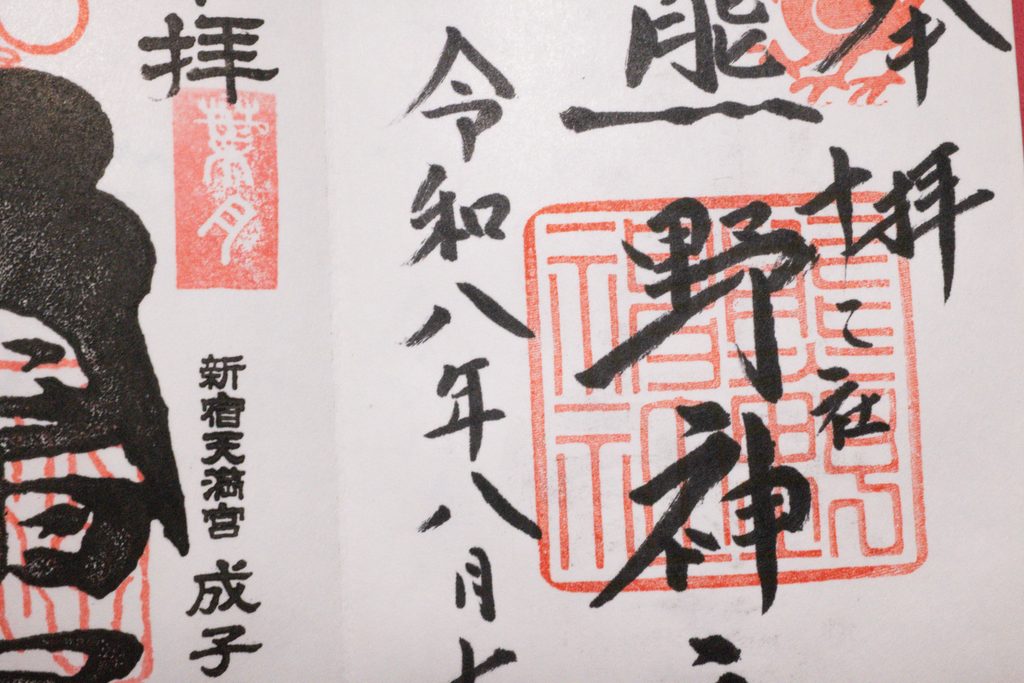
That is one of the reasons I love collecting them.
A normal souvenir might remind me that I visited Japan.
A Goshuin can remind me of one particular shrine, on one particular afternoon, during one particular trip.
3. Many Goshuin Are Created by Hand
Traditional Goshuin often combine hand-brushed calligraphy with vermilion seals.
When direct writing is available, you may be able to watch shrine or temple staff carefully add the calligraphy and stamps to your Goshuincho.
Not every Goshuin is written directly into your book. Some places offer kakioki (書き置き)—pre-written or specially prepared sheets—and modern Goshuin may also feature printed artwork, cut-paper designs, or other techniques.
But even then, each design reflects the identity, traditions, seasons, or artistic style of that particular shrine or temple.
4. Your Collection Becomes a Record of Your Journey
Once you begin collecting, your Goshuincho slowly becomes something very personal.
One page might remind you of a famous temple crowded with visitors.
Another might come from a tiny neighborhood shrine you found by accident.
And another may remind you of a conversation with someone you met while waiting at the Goshuin office.
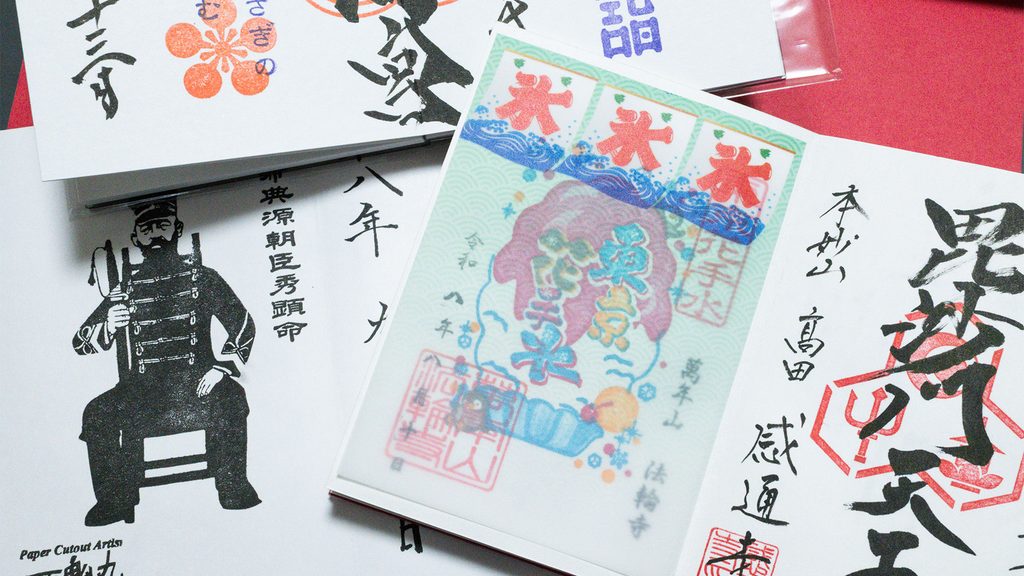
That’s why I don’t think of my Goshuincho as a stamp book.
To me, it feels more like a travel diary written in calligraphy, seals, dates, and memories.
And every empty page is a reason to wonder where I might go next.
How to Get Your First Goshuin: A Simple Step-by-Step Guide
What to do at a shrine or temple—even if you don’t speak Japanese
Getting your first Goshuin may feel a little intimidating, especially if you are unfamiliar with Japanese shrine and temple etiquette.
But don’t worry. You do not need to speak fluent Japanese, and the process is usually quite simple.
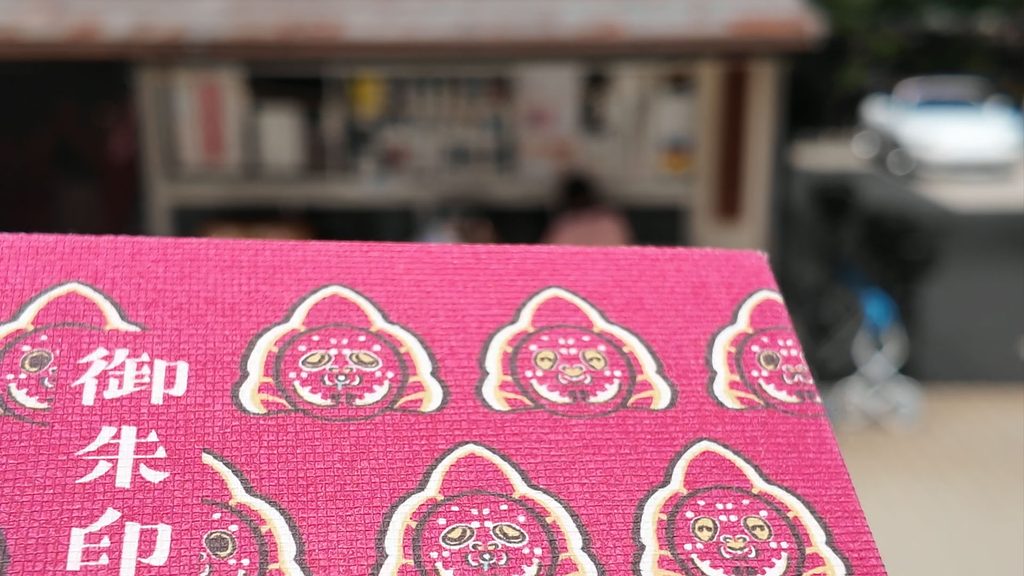
Step 1: Visit the Shrine or Temple and Pay Your Respects
Before asking for a Goshuin, take some time to visit the main sanctuary or worship hall.
At many shrines and temples, you may see a temizuya (手水舎) near the entrance, where visitors traditionally cleanse their hands before worship.
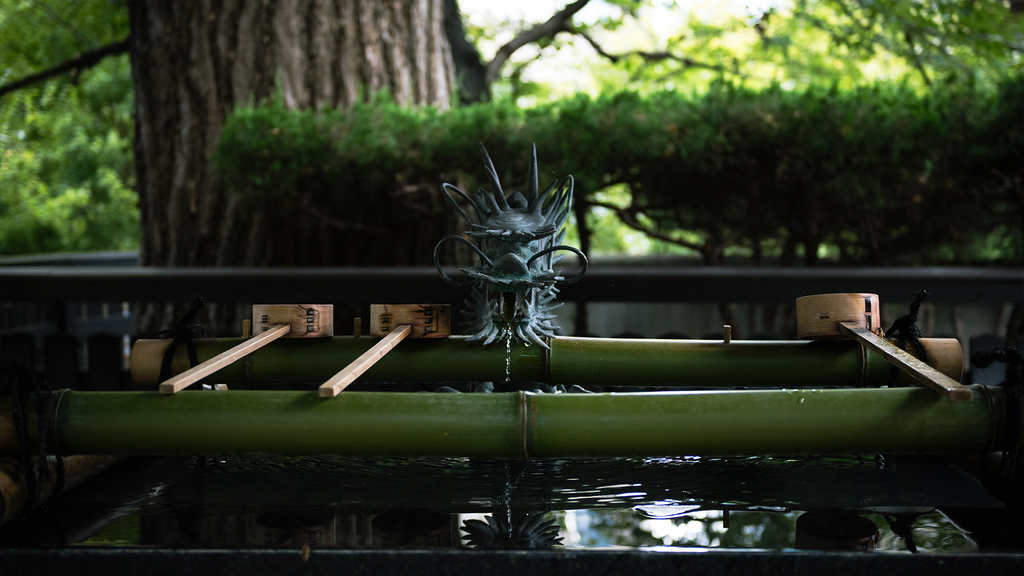
At a Shinto shrine, a common worship style is:
Two bows → Two claps → One bow
You may also make a small offering before praying. However, customs can vary from shrine to shrine, so follow any instructions posted on-site.
At a Buddhist temple, do not clap your hands. Instead, quietly place your hands together in prayer and pay your respects.
Important: Shrine and temple etiquette are not exactly the same. When in doubt, observe the signs or follow what local visitors are doing.
Step 2: Find the Goshuin Reception Area
After worshipping, look for the place where Goshuin are offered.
At shrines, this may be called the shamusho (社務所) or juyosho (授与所). At temples, there may be a dedicated Goshuin or nokyo reception desk.
Signs containing 御朱印 are a good thing to look for.
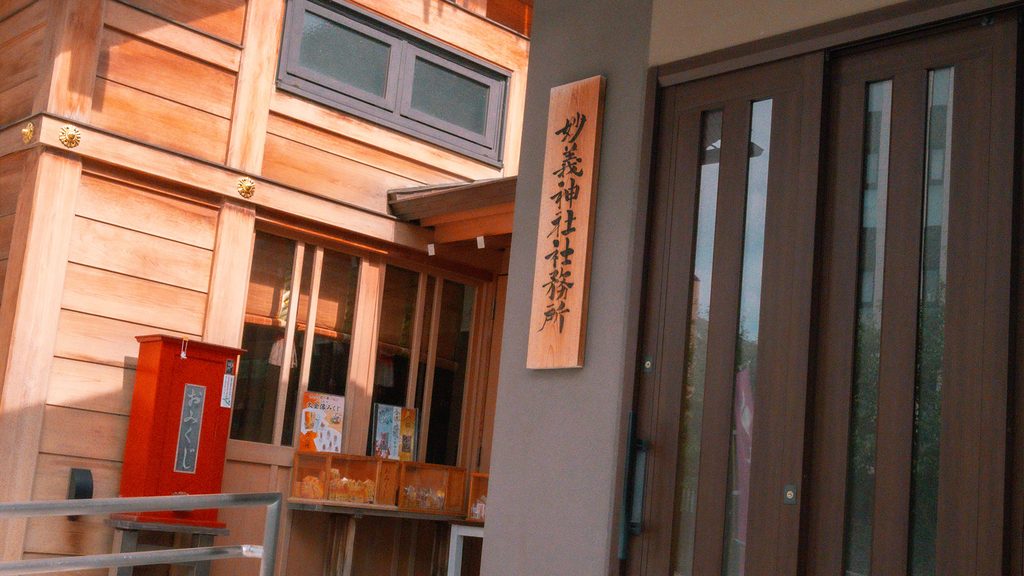
If you already have a Goshuincho, open it to the page you would like them to use before handing it over.
Then simply say:
“Goshuin onegaishimasu.”
御朱印お願いします。
“A Goshuin, please.”
That one phrase is usually enough.
Step 3: Pay the Goshuin Fee
Most shrines and temples ask for a small offering or fee when you receive a Goshuin.
The amount varies, but around ¥300–¥1,000 is common, with elaborate, seasonal, or cut-paper Goshuin sometimes costing more.
At Shinto shrines, you may hear this payment referred to as hatsuhoryo (初穂料). Buddhist temples may use different terminology.
Cash is still the safest option, especially at smaller shrines and temples, so carrying a few ¥100 and ¥500 coins can be very useful.
If a fixed amount is displayed, preparing the correct amount in advance makes the exchange easier.
Step 4: Receive Your Goshuin
When your Goshuin is ready, receive your Goshuincho—or kakioki sheet—with both hands if possible.
A small bow and a simple:
“Arigatou gozaimasu.”
ありがとうございます。
“Thank you very much.”
is perfect.
If the ink is still wet, the staff may place a sheet of paper between the pages or ask you to wait before closing the book completely.
Take a moment to check that the ink has dried before putting your Goshuincho back into your bag.
Your First Goshuin in 4 Steps
1. Worship first
Visit the main hall and pay your respects.
2. Find the Goshuin counter
Look for the characters 御朱印.
3. Ask politely
Say “Goshuin onegaishimasu.”
4. Pay and receive
Prepare cash, receive your book carefully, and say “Arigatou gozaimasu.”
Once you have done it once, the process becomes surprisingly easy.
And that first moment—opening your Goshuincho and seeing a newly written page inside—is when collecting Goshuin really begins.
Ready to Start Your Goshuin Collection?
Your journey begins with your first page
If you’re planning to collect Goshuin during your trip to Japan, my biggest tip is simple: have a dedicated Goshuincho ready before you receive your first one.
You can buy a Goshuincho online before your trip, or choose one at the first shrine or temple you visit. Personally, I think choosing a book you genuinely love makes the whole experience even more special.
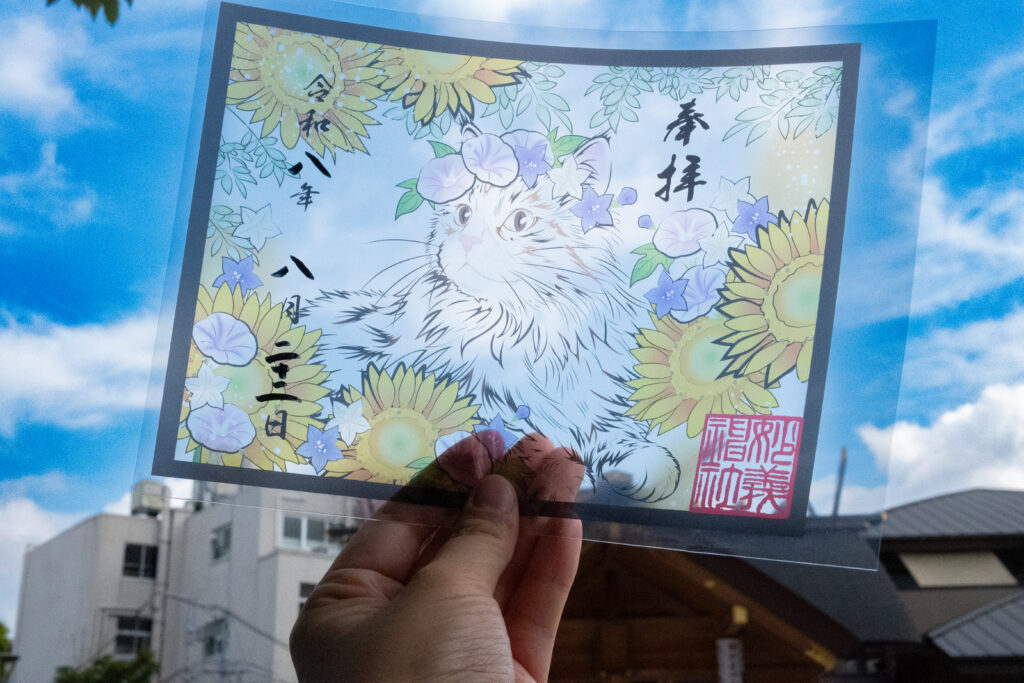
Some shrines and temples offer kakioki (書き置き)—prepared Goshuin on separate sheets of paper—but when direct writing is available, watching fresh calligraphy appear on the pages of your own Goshuincho is an experience I never get tired of.
And one more piece of advice: don’t only chase the famous places.
Some of my favorite Goshuin experiences have come from smaller shrines and temples I discovered almost by accident. If somewhere catches your attention, go and see what you find.
Your collection doesn’t need to look like anyone else’s.
Find a Goshuincho You’ll Love
Not sure which Goshuincho to choose?
I put together a guide featuring everything from traditional Japanese designs and wooden covers to zodiac, character, and Sanrio Goshuincho—including options you can buy online before arriving in Japan.
Find Your Next Goshuin
Ready to start filling those pages?
Here are a few places to begin:
Kawagoe Kumano Shrine →
A fun shrine in Kawagoe with creative Goshuin and plenty to experience around the grounds.
Imado Shrine in Asakusa →
A must for cat lovers, famous for its connection with maneki-neko, Japan’s lucky cats.
Hanazono Shrine in Shinjuku →
A historic shrine hidden among the skyscrapers and neon streets of central Shinjuku.
Ready for Your First Goshuin?
Don’t wait until you arrive in Japan to find a Goshuincho.
If you don’t have one yet, it’s a good idea to have your Goshuin book ready before your trip. Some popular designs can be hard to find, and you probably don’t want to spend your first shrine visit searching for a book instead of collecting your first Goshuin.
Start your trip ready from day one — you can order a Goshuincho on Amazon before you come to Japan.
A quick note before you buy: Not everything labeled “Goshuin book” on Amazon is necessarily suitable for collecting Goshuin. At most shrines and temples, staff expect a proper Goshuincho, and an ordinary notebook may be refused. Check the product description carefully and make sure you’re buying an actual Goshuincho designed for shrine and temple stamps.
Disclosure: This post contains affiliate links. As an Amazon Associate I earn from qualifying purchases. If you make a purchase through these links, I may earn a small commission at no extra cost to you.
BEST FOR FIRST-TIME COLLECTORS
Classic Navy Brocade Goshuincho
Not sure what to choose? Start with a classic.
If you simply want a reliable Goshuincho for your first trip to Japan, this traditional navy brocade design is an easy choice.
The timeless Japanese pattern makes it feel like a keepsake in its own right — something you may want to keep on your shelf long after your trip is over. And because the design is simple and classic, it’s unlikely to feel dated before you finish filling every page.
Best for: First-time collectors and anyone who wants a traditional, easy-to-love design.
BEST FOR CUTE DESIGNS
Moon & Rabbit Wooden Goshuincho
Cute, warm, and unmistakably Japanese.
This Goshuincho has a wooden cover, giving it a sturdy feel while still keeping the design soft and charming.
The rabbit and moon motif is especially lovely. In Japan, rabbits have long been associated with the moon, so the design feels much more meaningful than simply being cute. Combined with the natural warmth of the wood and traditional Japanese-style rabbit pattern, it makes a beautiful travel keepsake.
Best for: Anyone who loves cute Japanese designs but still wants something elegant and durable.
Do you know your Japanese zodiac sign?
You can also choose a Goshuincho inspired by your own zodiac animal.
BEST FOR ART LOVERS
The Great Wave Goshuincho
Carry a piece of Japanese art with you.
Have you ever seen Hokusai’s Thirty-six Views of Mount Fuji? Even if you don’t recognize the name yet, there’s a good chance you’ll come across its famous imagery somewhere during your trip to Japan.
This Goshuincho turns that iconic Japanese aesthetic into something you can actually carry from shrine to shrine. Carefully crafted and designed to feel like a small work of art, it’s much more than a place to collect stamps and calligraphy.
Once you return home, this is the kind of Goshuincho you may find yourself opening again and again — not just for the Goshuin inside, but for the book itself.
Best for: Art lovers, ukiyo-e fans, and anyone looking for a striking Japanese souvenir.
Planning Your Japan Trip?
If Goshuin collecting is going to be part of your journey, a little preparation can make shrine and temple hopping much easier.
Cultural Experiences & Tours
Shrine walks, temple tours, traditional workshops, and local experiences can help you discover more of the culture surrounding the places you visit.
Where Will Your First Goshuin Take You?
Your first Goshuin could be waiting at a famous shrine in Tokyo, a quiet neighborhood temple, or somewhere you simply discover along the way.
If you’re not sure where to start, take a look at my Goshuin map and find a shrine or temple to add to your Japan itinerary.