Introduction: Discover Your Japanese Zodiac Animal
Hi there!
Recently, I’ve noticed that even some younger people in Japan don’t know their own zodiac animal. It made me realize that this familiar tradition may be becoming less important in everyday life—and it also made me want to share the Japanese zodiac, or Eto (干支), with travelers from around the world.
A while ago, I visited a Buddhist temple in Nikko, where the chief priest explained that praying in front of the Buddhist figure connected with your zodiac animal was believed to bring good fortune.
The Japanese visitors seemed to know exactly where to go. They naturally found their own zodiac animal and lined up in front of it.
But the foreign visitors nearby looked completely lost.
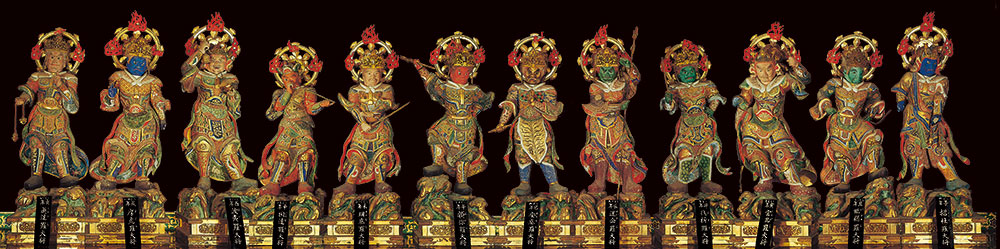
That moment made me realize how often zodiac animals appear in Japanese religious and cultural traditions—even though many international visitors have no idea which animal represents their birth year.
Some shrines and temples are especially associated with certain animals. For example, Hebikubo Shrine in Tokyo is famous for its strong connection with snakes, making it an especially interesting place to visit during the Year of the Snake—or if the Snake happens to be your own zodiac animal.
And the best part is simple:
Once you know your zodiac animal, it stays with you for life.
Eto is not only connected with shrines, temples, and New Year traditions. Zodiac animals also appear in lucky charms, decorations, seasonal celebrations, and even personality or fortune readings—somewhat like the Western zodiac.
So, which Japanese zodiac animal is yours?
Choose your birth year in the checker above and find out.
What Is the Japanese Zodiac?
The Japanese zodiac is commonly known as Eto (干支) and follows a repeating 12-year cycle, with each year associated with a different animal.
The twelve animals, in order, are:
Rat → Ox → Tiger → Rabbit → Dragon → Snake → Horse → Sheep → Monkey → Rooster → Dog → Boar
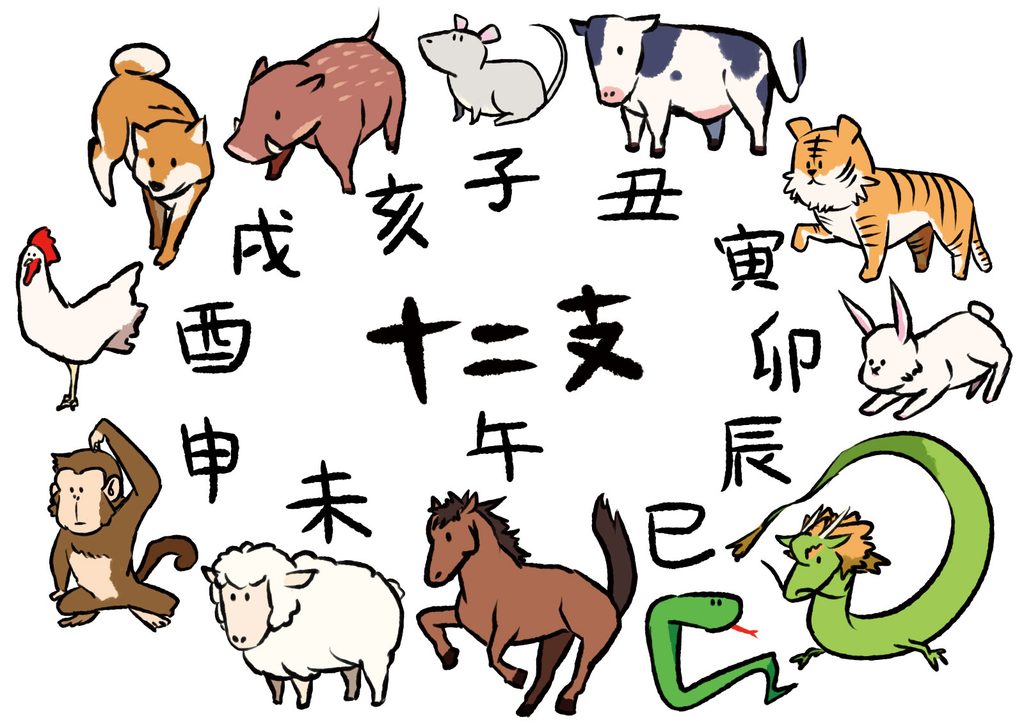
Technically, the twelve animal signs are called Jūnishi (十二支). The word Eto originally refers to a larger traditional calendar system, but in everyday modern Japanese, people commonly use Eto when talking about the animal of their birth year.
One Important Difference for Travelers
If you are familiar with the Chinese zodiac, there is one useful difference to know.
In modern Japan, your zodiac animal is normally identified by your calendar birth year, from January 1 to December 31. In the Chinese zodiac, however, the zodiac year traditionally changes at Lunar New Year, which falls sometime in January or February. This means that someone born early in the year may have a different zodiac animal depending on whether you are using the Japanese or Chinese system.
In Japan, the animal associated with the new year appears everywhere from January onward—on New Year cards, decorations, lucky charms, and shrine and temple items.
That is why the birth-year checker below is so simple: just choose the year you were born.
Your Zodiac Animal Can Make Your Goshuincho Feel More Personal
Once you know your animal, you’ll start noticing it everywhere in Japan—on ema prayer plaques, omamori charms, shrine decorations, seasonal items, and Goshuincho.
A Goshuincho is already a very personal record of your journey, so I love the idea of choosing one decorated with your own zodiac animal.
It turns a beautiful Japanese travel souvenir into something that feels uniquely yours.
Whenever you open your book years later, you may not only remember the shrines and temples you visited—you’ll also recognize that familiar animal on the cover and think:
“That one is mine.”
The Fun Legends Behind the Japanese Zodiac
Once you look at all twelve animals, a few questions naturally come to mind.
Why is there a Dragon when all the others are animals we can actually see?
And perhaps the biggest question of all:
Where is the Cat?
There are many traditional stories and regional variations explaining the twelve animals, so these are best enjoyed as folklore rather than literal history.
🐉 Why Is There a Dragon?
Unlike Western dragons, the dragon in East Asian tradition has long been associated with water, rain, power, and good fortune.
Because rainfall was essential for agriculture, dragons became important symbols connected with water and prosperity. That helped make the Dragon a natural fit among the twelve zodiac animals.
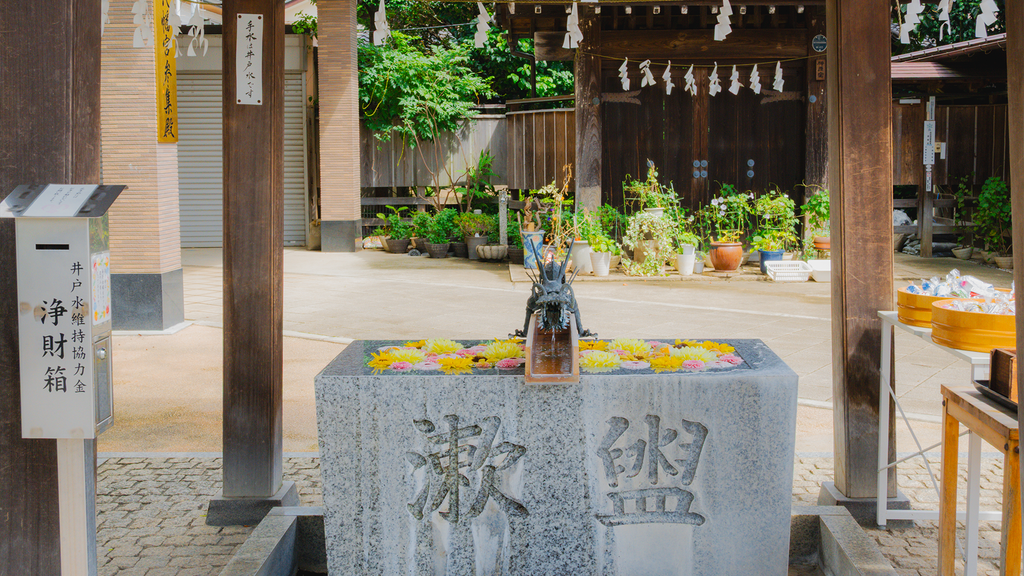
And yes—the Dragon is the only mythical creature among Japan’s twelve zodiac animals.
🐈 Why Isn’t There a Year of the Cat?
One popular folktale offers a rather unfortunate explanation.
According to the story, the animals were invited to gather so that twelve of them could be chosen for the zodiac.
But the clever Rat gave the Cat the wrong date.
The Cat believed the Rat, arrived too late, and missed its chance to become one of the twelve animals.
And according to the legend, that is why cats have been chasing rats ever since.
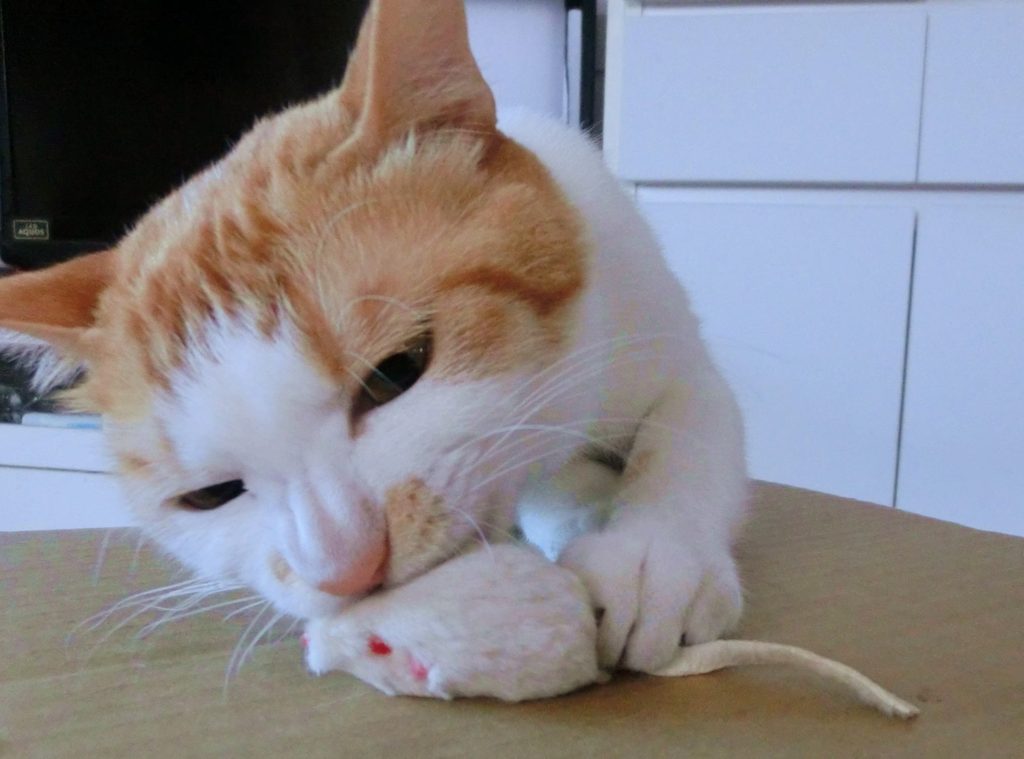
Of course, this is folklore rather than the historical origin of the zodiac—but it is one of the most memorable stories connected with it.
Find Your Japanese Zodiac Animal
Now it’s time to discover your own Japanese zodiac animal.
In modern Japan, your zodiac animal is generally determined by your calendar birth year, so you can simply select the year you were born in the checker below.
And don’t stop with just your own. Try checking the zodiac animals of your partner, family, or friends too. It can be surprisingly fun to discover that your partner is a Dragon, your best friend is a Rabbit, or someone in your family shares the same zodiac animal as you.
Once you know everyone’s Eto, you may start noticing those animals throughout your trip—in shrine decorations, omamori, ema, Goshuincho, and seasonal items.
If you love the idea of carrying your own zodiac animal with you, I’ve also selected Goshuincho designs inspired by each of the twelve animals.
Ready? Find your Japanese zodiac animal below.
FIND YOUR JAPANESE ZODIAC
What’s Your Japanese Zodiac Animal?
Select your birth year to discover your Japanese zodiac animal.
YOUR JAPANESE ZODIAC IS
Traditional associations:
Popular personality traits:
This checker uses the Japanese zodiac year based on your calendar birth year.
Traditional Meanings & Personality Traits of the 12 Zodiac Animals
In Japan, each zodiac animal has gathered its own traditional symbols, lucky associations, and popular personality traits over time.
These aren’t strict religious teachings or scientific personality types. Think of them more like the fun personality descriptions found in Western horoscopes: part tradition, part folklore, and part popular fortune-telling.
So—does yours sound like you?
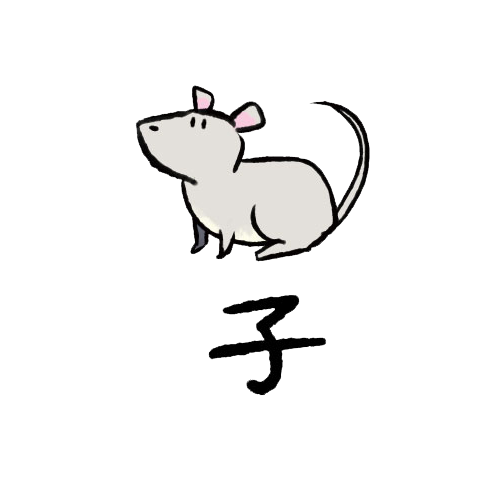
🐀 Rat — 子 (Ne)
Traditional associations: Prosperity, fertility, and adaptability
Popular personality traits: Quick-witted, resourceful, sociable, and good at finding a way through difficult situations.
Because rats reproduce quickly, they have long been associated with prosperity and a flourishing family.
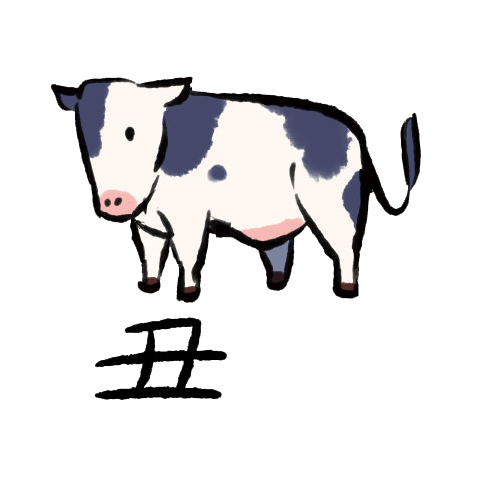
🐂 Ox — 丑 (Ushi)
Traditional associations: Hard work, patience, and steady progress
Popular personality traits: Reliable, patient, honest, and determined.
The Ox is often seen as a symbol of people who keep moving forward slowly but surely.
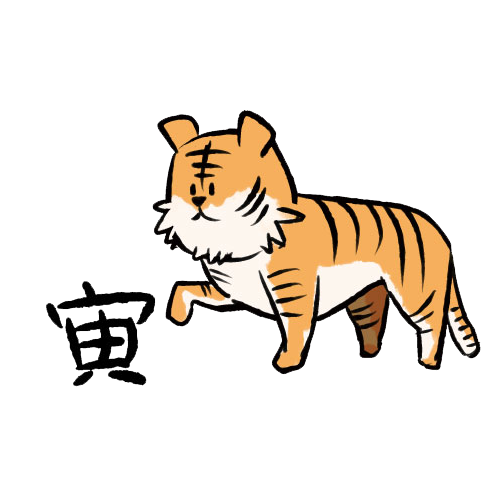
🐅 Tiger — 寅 (Tora)
Traditional associations: Courage, strength, and protection
Popular personality traits: Brave, energetic, passionate, and confident.
Tigers have traditionally been regarded as powerful animals capable of driving away evil and misfortune.
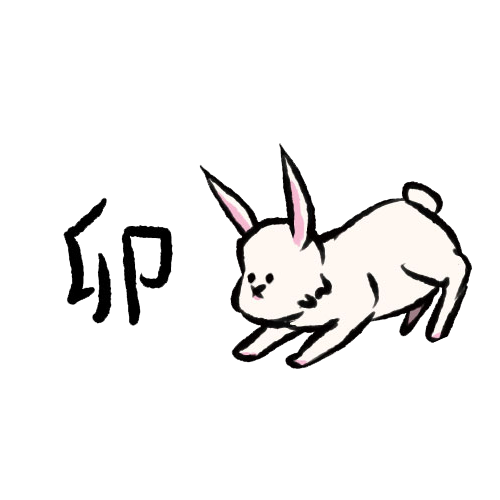
🐇 Rabbit — 卯 (U)
Traditional associations: Growth, harmony, and safe progress
Popular personality traits: Gentle, graceful, thoughtful, and peace-loving.
Because rabbits leap forward, they are sometimes associated with making progress or taking a big step toward success.
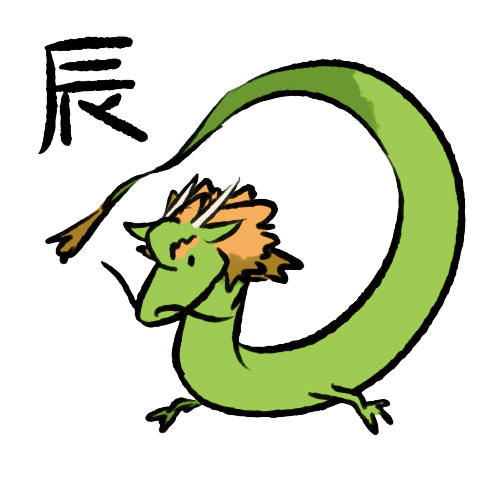
🐉 Dragon — 辰 (Tatsu)
Traditional associations: Power, success, good fortune, and vitality
Popular personality traits: Ambitious, confident, imaginative, and charismatic.
The Dragon is the only mythical creature in the twelve zodiac animals and has long been associated with water, power, and good fortune in East Asian culture.
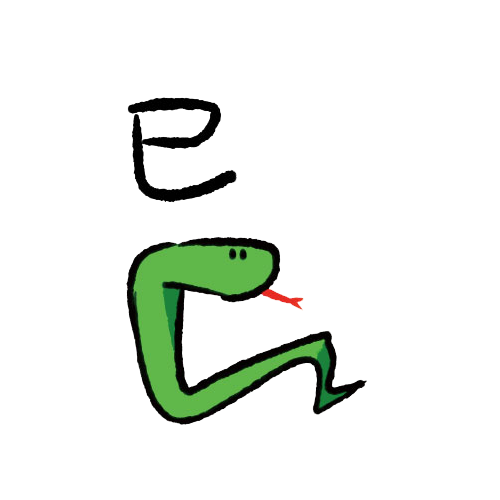
🐍 Snake — 巳 (Mi)
Traditional associations: Wisdom, renewal, and good fortune
Popular personality traits: Intuitive, thoughtful, mysterious, and observant.
Because snakes shed their skin, they can symbolize renewal and rebirth. White snakes in particular are often regarded as auspicious in Japanese religious traditions.
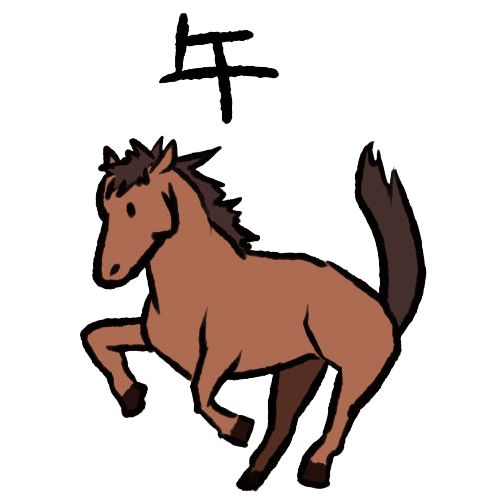
🐎 Horse — 午 (Uma)
Traditional associations: Energy, movement, and vitality
Popular personality traits: Cheerful, independent, active, and freedom-loving.
Horses have long been connected with strength, travel, and forward movement.
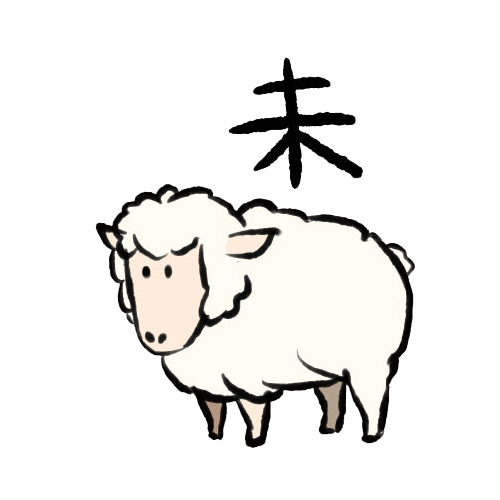
🐑 Sheep — 未 (Hitsuji)
Traditional associations: Peace, harmony, and close relationships
Popular personality traits: Gentle, compassionate, calm, and cooperative.
Sheep are often associated with living peacefully with others, making them a symbol of harmony.
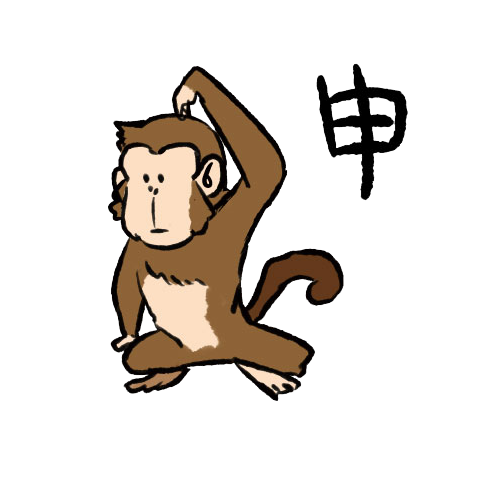
🐒 Monkey — 申 (Saru)
Traditional associations: Cleverness, flexibility, and protection from misfortune
Popular personality traits: Smart, curious, playful, and adaptable.
Monkeys are known for their intelligence and quick thinking, and they also appear in traditional Japanese wordplay connected with keeping bad things away.
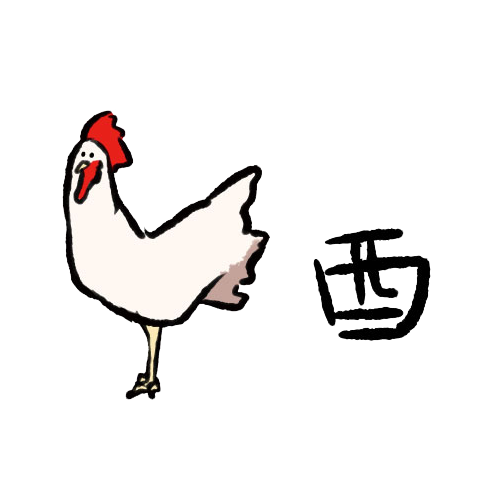
🐓 Rooster — 酉 (Tori)
Traditional associations: Prosperity, achievement, and opportunity
Popular personality traits: Organized, hardworking, observant, and confident.
The Rooster has also become associated with business prosperity and gathering good fortune in some Japanese traditions.
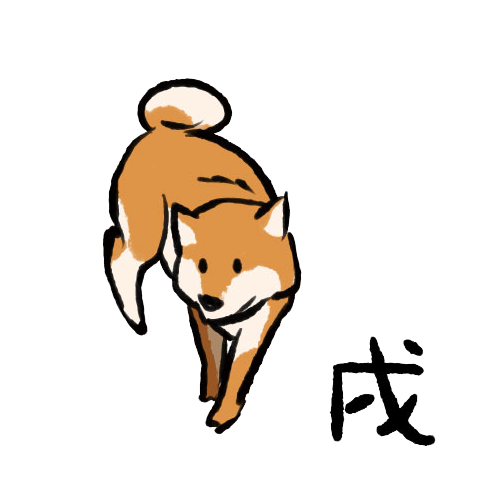
🐕 Dog — 戌 (Inu)
Traditional associations: Loyalty, protection, and safe childbirth
Popular personality traits: Loyal, honest, caring, and dependable.
Dogs are especially associated with safe childbirth in Japan, partly because they are traditionally believed to give birth relatively easily.
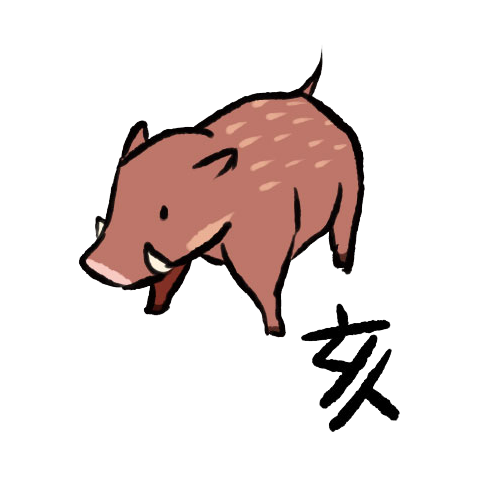
🐗 Boar — 亥 (I)
Traditional associations: Strength, courage, and good health
Popular personality traits: Determined, honest, straightforward, and energetic.
The wild boar is often imagined as an animal that charges straight ahead, which is why people born in the Year of the Boar are popularly described as decisive and determined.
Does Your Zodiac Animal Sound Like You?
Of course, these personality descriptions are just for fun.
But once you know your Eto, you may start noticing your animal everywhere in Japan—from New Year decorations and omamori to shrine statues, Goshuin, and Goshuincho.
And that makes traveling through Japan just a little more personal.
Conclusion: Let Your Zodiac Animal Travel With You
When you visit shrines and temples in Japan, carrying a Goshuincho decorated with your own zodiac animal can make the experience feel even more personal.
Your Eto is something that stays with you for life, and once you know your animal, you may start noticing it everywhere—from shrine decorations and omamori to ema, seasonal items, and Goshuincho designs.
Learning about the Japanese zodiac is also a fun way to understand another side of Japanese culture. It gives you one more thing to look for as you travel, and sometimes even a new reason to visit a shrine or temple you might otherwise have passed by.
So, did you find your animal?
If you did, why not choose a Goshuincho that features it and take it with you on your next journey through Japan?
One animal. One book. Countless memories waiting to be collected.