Juniso Kumano Shrine: A Quiet Shrine Beside Shinjuku Central Park
Hey there, shrine-hoppers and curious travelers!
Juniso Kumano Shrine (十二社熊野神社) sits beside Shinjuku Central Park, only a short distance from the Tokyo Metropolitan Government Building.
When I visited, what stood out to me most was how quickly the atmosphere changed. After walking through the busy Nishi-Shinjuku area, I found shaded shrine grounds, fewer crowds, and the soft sound of wind chimes moving in the breeze.
The location also makes the shrine easy to combine with other sightseeing in the area. If you are already visiting the Tokyo Metropolitan Government Building or walking through Shinjuku Central Park, Juniso Kumano Shrine is a convenient stop to add to your route.
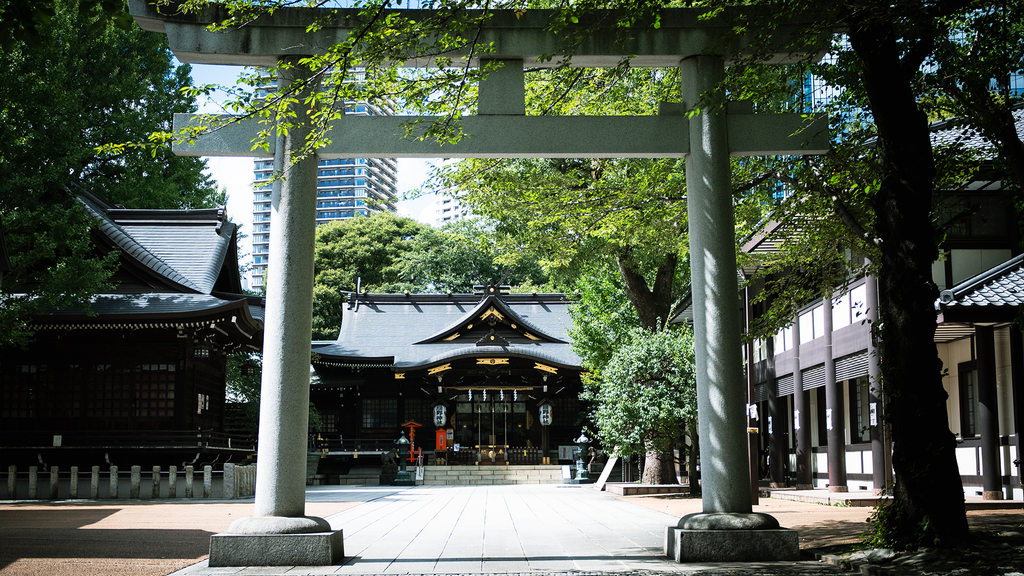
I also liked the contrast between the traditional shrine buildings and the modern towers rising beyond the trees. It is a simple but memorable view that shows how closely older and newer parts of Tokyo can exist side by side.
History, Legends & the Guidance of Yatagarasu
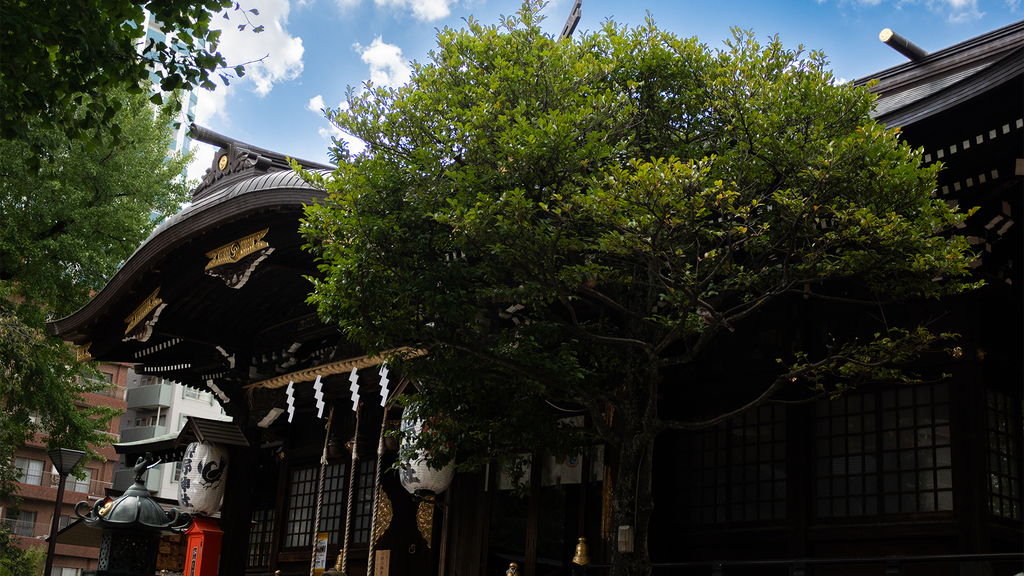
Juniso Kumano Shrine has been part of this area of Shinjuku for more than six centuries.
Its history is traditionally traced to the Ōei era (1394–1428), when Suzuki Kuro, a merchant from the Kumano region of present-day Wakayama Prefecture, is said to have enshrined the deities of Kumano here.
Those twelve deities are also connected to the old local name Juniso (十二社), which still remains in place names around the area today.
Crossing the Sacred Slope
For me, the transition begins before reaching the main shrine.
When I visited on a hot summer day, I followed the gentle slope toward the torii gate. As I walked up, the shade became cooler and the noise from the surrounding city seemed to fade.
That small change in atmosphere stood out to me.
A few moments earlier, I had been walking through modern Nishi-Shinjuku. By the time I reached the shrine entrance, the area already felt noticeably quieter and more separate from the streets outside.
Wind Chimes at the Chozuya
During my visit, the shrine grounds felt especially peaceful.
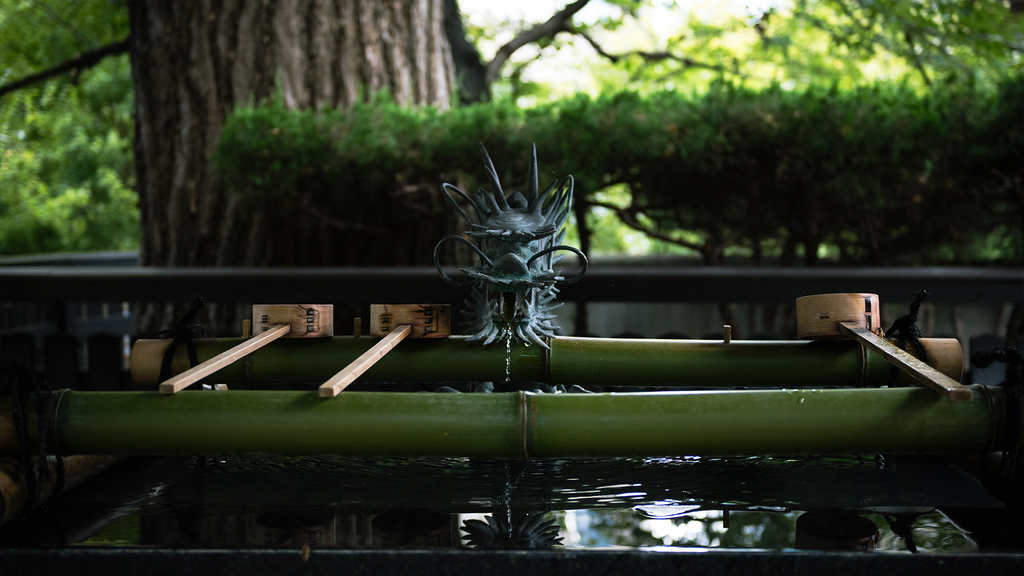
Near the chozuya, traditional Japanese furin wind chimes moved gently in the breeze, filling the area with their light, delicate sound.
I visited in summer, and the combination of shade, water, and wind chimes made this part of the shrine feel noticeably cooler and more relaxing.
Meet Yatagarasu, the Sacred Guide
One thing I recommend looking for during your visit is Yatagarasu (八咫烏), the legendary three-legged crow closely associated with Kumano worship.
In Japanese mythology, Yatagarasu is known as a divine guide who helped lead Emperor Jimmu on his journey. At Kumano shrines, it has long been associated with guidance and good fortune. Juniso Kumano Shrine itself describes Yatagarasu in connection with kaiun—good fortune—and michibiki—guidance.
What caught my attention most, though, was its expression.
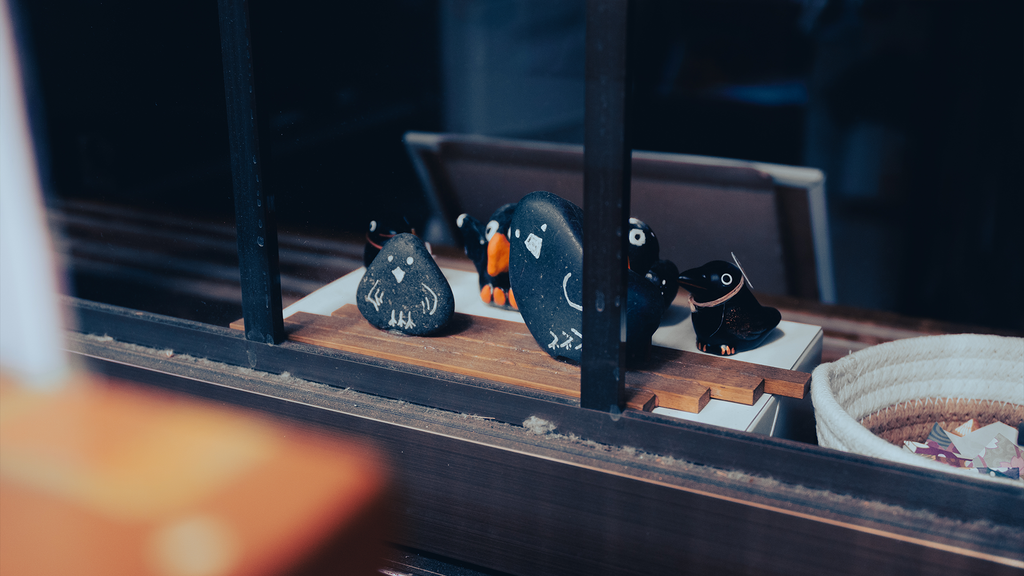
The Yatagarasu figure I saw near the shrine office did not look fierce or intimidating. Instead, it had an unexpectedly warm and gentle face.
That small detail stayed with me after my visit. For a sacred creature associated with showing people the right path, I thought its gentle expression felt surprisingly fitting.
The Amabie Goshuin: An Unexpectedly Elegant Design
Alright, fellow goshuin collectors—this was one design I did not expect to find in the middle of Shinjuku.
Hanazono Shrine has its striking kirie goshuin, and Naruko Tenjin Shrine offers a more traditional handwritten style. But when I visited Juniso Kumano Shrine, I found something completely different:
an Amabie Goshuin.
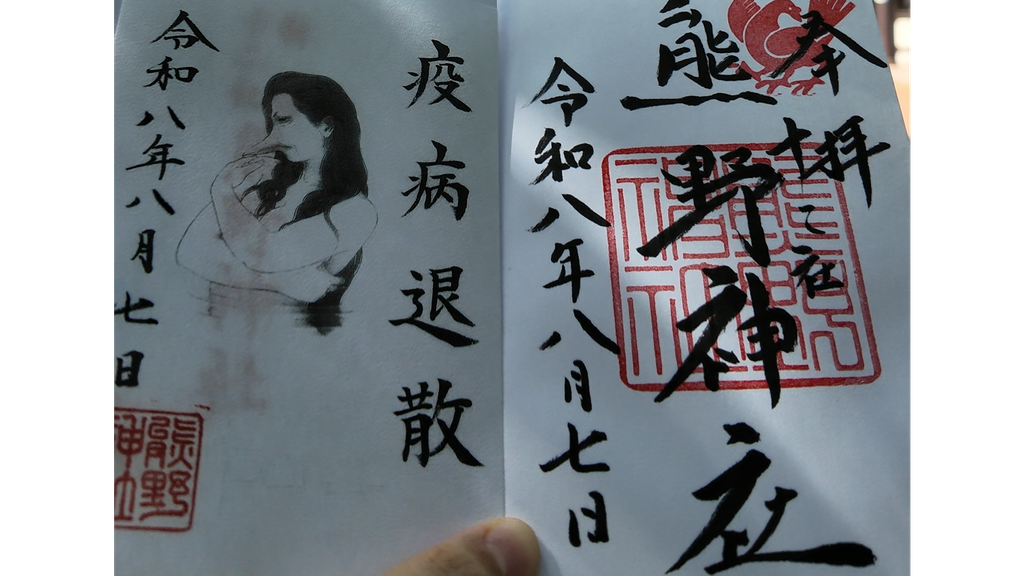
During my visit, this special design was available as a kakioki (書き置き) goshuin—a pre-prepared sheet that you can later place inside your goshuincho.
Who Is Amabie?
Amabie is a mysterious Japanese yokai, or supernatural creature, associated with protection from epidemics.
One of the best-known historical accounts dates to 1846, when a strange creature was said to have appeared from the sea in Higo Province, present-day Kumamoto. According to the account, Amabie predicted good harvests and warned of disease, telling people to copy its image and show it to others.
This story is also why Amabie became widely known again during the COVID-19 pandemic.
Many modern illustrations of Amabie are colorful, cute, and almost mascot-like.
But the design I found at Juniso Kumano Shrine looked completely different.
The Amabie on this goshuin is slender and graceful, with flowing lines that give the figure a surprisingly elegant appearance. To me, it looked less like a cute yokai and more like a mysterious figure emerging from the sea.
The Goshuin That Made Someone at Another Shrine Stop and Look
What made this goshuin even more memorable happened later.
When I visited another shrine, I handed over my goshuincho to receive a new goshuin. As the shrine staff looked through the book, they noticed the Amabie design and stopped to look at it.
They commented on how beautiful and elegant the illustration was.
I remember that moment because it confirmed something I had already felt when I first saw the design: this was not an ordinary-looking Amabie goshuin.
For me, that reaction made the design even more memorable.
If you collect goshuin with unusual illustrations, yokai motifs, or distinctive artwork, this is one design worth looking out for at Juniso Kumano Shrine.
Location & Access
Address
2-11-2 Nishi-Shinjuku, Shinjuku City, Tokyo
Juniso Kumano Shrine sits beside Shinjuku Central Park, just a short walk from the Tokyo Metropolitan Government Building.
Nearest Station
Tochomae Station — About a 5-minute walk
Nishi-shinjuku Station — About a 9-minute walk
Shinjuku Station — About a 15-minute walk from the West Exit
Shrine Grounds
Open 24 hours
Shrine Office Hours
9:00 AM – 4:30 PM
*The shrine office hours vary depending on the day. Please check the shrine’s Instagram or official website for the latest information.
Hatsuho-ryo (Offering Fee)
Amabie Goshuin — 300 yen
Goshuin — 500 yen
*The fee varies depending on the goshuin design you choose
HP
https://12so-kumanojinja.or.jp/
Official Instagram
https://www.instagram.com/junisou_kumanojinjya/
Google Maps
Nearby Shrines
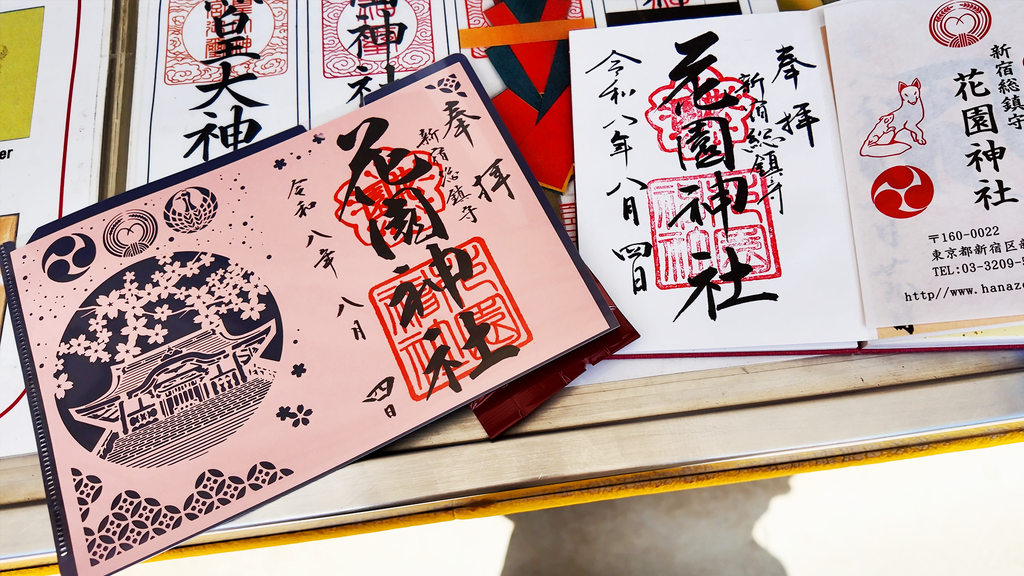
Hanazono Shrine in Shinjuku
Discover a striking pink kirie goshuin, hidden torii gates, and one of Shinjuku’s most atmospheric shrines.
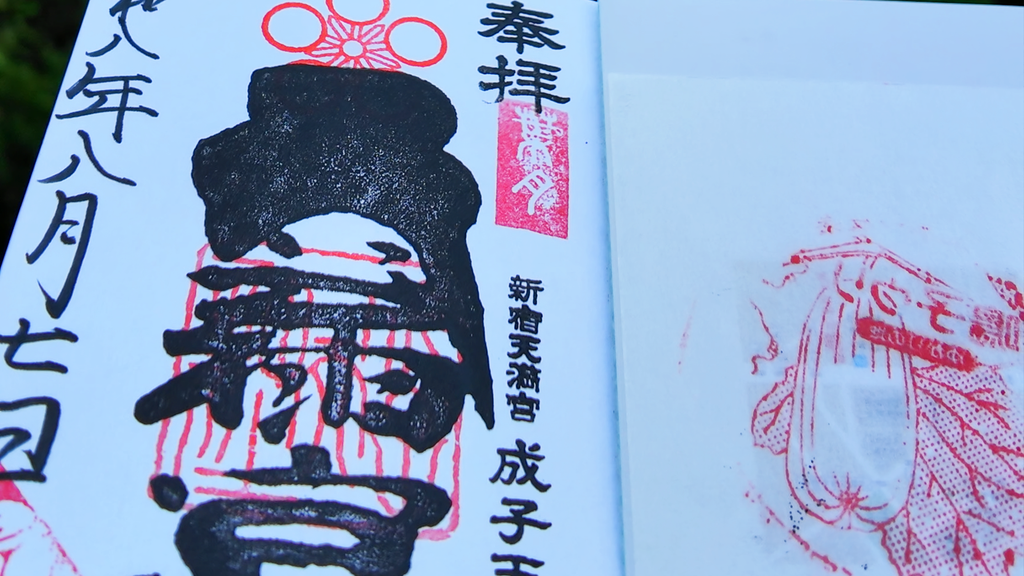
Naruko Tenjin Shrine in Shinjuku
Naruko Tenjin Shrine is a historic shrine surrounded by the skyscrapers of Nishi-Shinjuku. Visitors can also find traditional goshuin and statues of the Seven Lucky Gods within the grounds.
What to Do After Visiting Juniso Kumano Shrine
After visiting Juniso Kumano Shrine, I recommend continuing through the Nishi-Shinjuku area rather than heading straight back to Shinjuku Station.
One of the easiest places to combine with the shrine is the Tokyo Metropolitan Government Building, which is only a short walk away.
Head Up to the Tokyo Metropolitan Government Building
From Juniso Kumano Shrine, you can walk to the Tokyo Metropolitan Government Building (Tocho) and visit its observation decks on the 45th floor.
Admission is free, and the observation decks are about 202 meters above ground, offering wide views across Tokyo.
I like this combination because the atmosphere changes completely within a short walk. At the shrine, I was surrounded by trees, wind chimes, and traditional buildings. A little later, I could look out across the city from high above Shinjuku.
That contrast is one of the reasons I think these two places work especially well together.
Turn It Into a Half-Day Shinjuku Route
If you have a little more time, I would combine the area like this:
Shinjuku Central Park → Juniso Kumano Shrine → Tokyo Metropolitan Government Building → Nishi-Shinjuku → Shinjuku Station
For me, this route works well because it gives you greenery, a shrine visit, modern architecture, and a city view without having to travel to another part of Tokyo.
Planning Your Shinjuku Trip?
Where to Stay
If you want to stay close to central Shinjuku while avoiding some of the busiest nightlife areas, Nishi-Shinjuku can be a convenient option.
From here, you can still reach Shinjuku Station on foot while staying close to places such as Juniso Kumano Shrine, Shinjuku Central Park, and the Tokyo Metropolitan Government Building.
Local Tours
If you want more context while exploring Shinjuku, a walking tour can be useful for discovering local food, backstreets, nightlife, and modern architecture that are easy to overlook on your own.
Some links in this section are affiliate links. If you book through them, Sacred Japan Guide may earn a small commission at no extra cost to you.
Is Juniso Kumano Shrine Worth Visiting?
Yes—especially if you want to experience a quieter side of Shinjuku away from its neon streets and busiest shopping areas.
Juniso Kumano Shrine is not a large tourist attraction, and for me, that is part of its appeal.
During my visit, I could step away from Nishi-Shinjuku’s skyscrapers, walk beneath the trees, listen to the sound of wind chimes, see the gentle-looking Yatagarasu, and find distinctive goshuin such as the elegant Amabie design.
Just a short walk away, you can also visit the Tokyo Metropolitan Government Building and see the city from above.
For me, that contrast is the main reason this shrine works so well as part of a Shinjuku itinerary.
Traditional and modern Tokyo feel especially close together here.
I would especially recommend Juniso Kumano Shrine to travelers who:
- have already seen Shinjuku’s major attractions and want something quieter
- collect unusual or artistic goshuin
- enjoy shrines surrounded by modern city scenery
- want to combine a shrine visit with Shinjuku Central Park and the free observation decks at the Tokyo Metropolitan Government Building
If this is your first trip to Tokyo and you only have a short time in Shinjuku, you may want to prioritize the area’s major sights first.
But if you are a repeat visitor—or simply enjoy finding quieter places away from the busiest tourist spots—I think Juniso Kumano Shrine is well worth adding to your route.