I Came for the Kirie Goshuin—and Found a Little Summer Escape in Waseda
If you’re looking for beautiful Horinji Temple Goshuin, this guide covers the colorful designs, my experience visiting the temple, and everything you need to know before your visit.
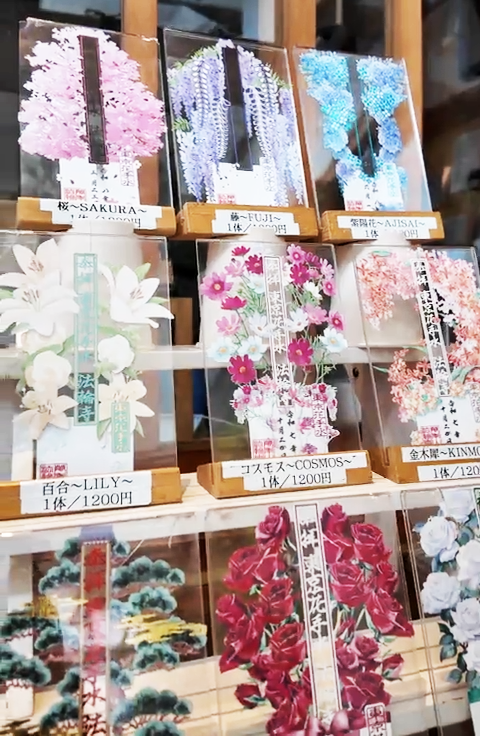
I had seen Horinji Temple’s beautiful kirie (paper-cut) goshuin before visiting, and honestly, they were the main reason I decided to make the trip to Waseda.
I love collecting goshuin that feel a little different from the traditional calligraphy-and-red-seal style, so the intricate paper-cut designs immediately caught my attention. I wanted to see them for myself—and, of course, add one to my own collection.
When I visited on a hot summer afternoon, though, the temple itself ended up surprising me too.
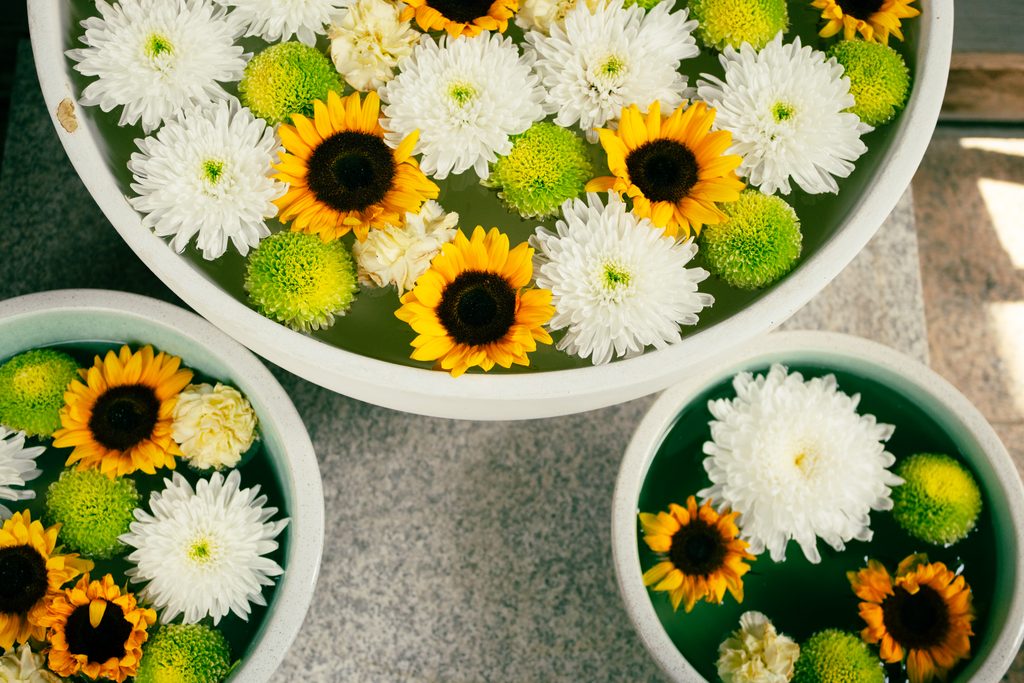
After climbing the stone steps, I was greeted by cool mist, colorful flowers, and the gentle sound of flowing water. On such a humid Tokyo day, that little burst of cool air felt unbelievably refreshing. I had gone there for the goshuin, but I found myself stopping for a while just to enjoy the atmosphere before heading to the temple office.
Horinji is only about a minute’s walk from Waseda Station, yet the grounds felt like a small, colorful escape from the city around it. The seasonal flower displays and water features made the visit feel much more memorable than simply walking in, collecting a goshuin, and leaving.
And then, of course, there were the goshuin.
Horinji offers a variety of seasonal designs, including elaborate kirie goshuin, as well as monthly goshuin and goshuin-style designs that change throughout the year. The paper-cut designs are not necessarily released every month and may disappear once supplies run out—which made me even happier that I was able to visit and see what was available in person.
For me, this wasn’t just another temple stop in Tokyo. It was a trip I made specifically for the goshuin—and the experience around collecting it turned out to be part of what made the page so memorable.
Let me show you what I found.
The Hidden Story, Legends & Blessings
Cooling Mist, Flower Chozu & the Atmosphere Around My Goshuin Visit
I originally came to Horinji Temple for the goshuin, but the atmosphere around the temple became a surprisingly memorable part of the experience too.
When I visited on a hot August day, climbing the entrance steps already felt like a challenge in the summer heat. Then, almost immediately, I was greeted by a fine cooling mist. Honestly, it felt like a lifesaver.
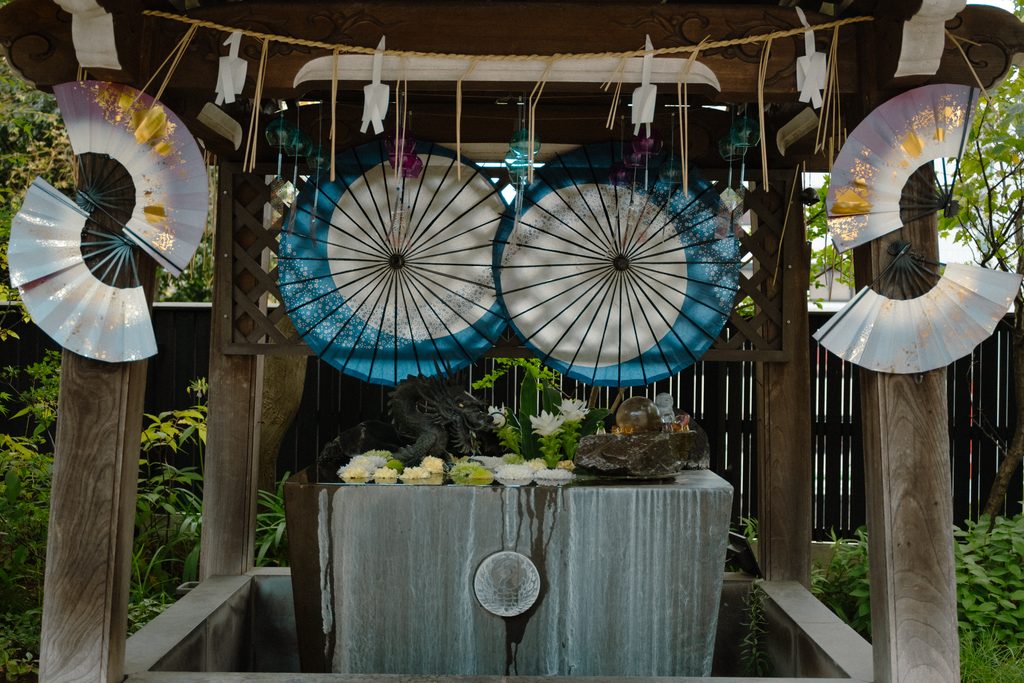
Once inside, I found colorful seasonal flowers, water features, and a beautifully decorated chozuya (purification fountain). The combination of flowing water, flowers, and mist made the compact temple grounds feel almost like a tiny summer garden.
I had come focused on which goshuin I wanted to collect, but before heading to the temple office, I ended up slowing down and looking around much more than I expected.
That was one of the things I enjoyed most about collecting goshuin at Horinji. The goshuin itself was the reason for my visit, but the seasonal atmosphere around it became part of the memory attached to that page in my goshuincho.
Horinji is known for decorating its chozuya with seasonal flowers, and additional flower displays may also appear around the temple grounds. Because the decorations use fresh flowers, what you see can vary depending on the day you visit.
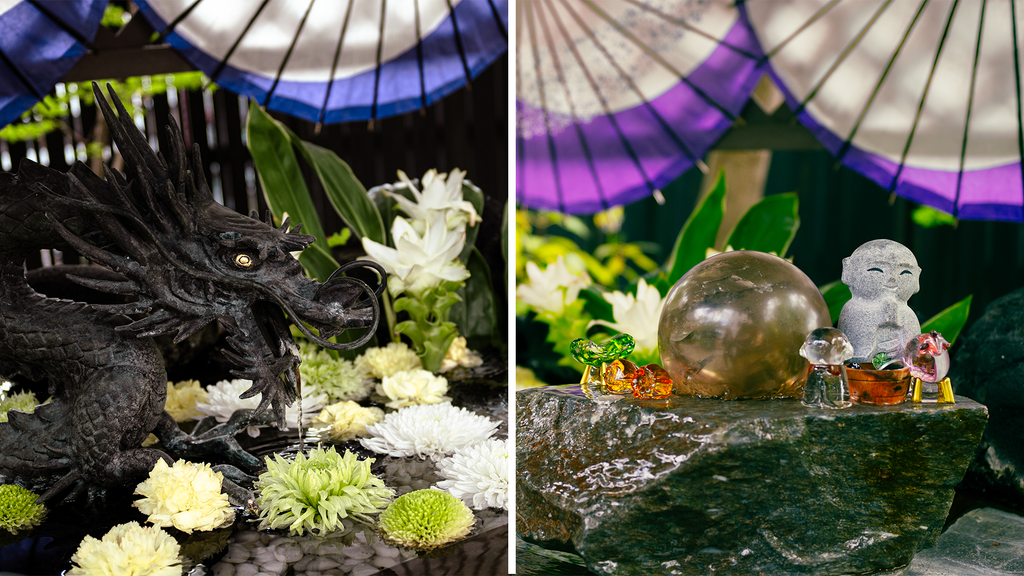
For me, that changing seasonal atmosphere is part of the fun. I didn’t just leave with a goshuin—I left remembering the August heat, the sudden cool mist, the sound of water, and the bright flowers surrounding me while I was there to collect it.
And because this is still an active Buddhist temple rather than simply a photo spot, I made sure to enjoy the decorations without getting in the way of other visitors or the temple staff.
The Charm of Goshuin & Goshuincho
Kirie Goshuin, Summer Kakigori Designs & Little Collector Surprises
If you love collecting goshuin, this is where Horinji Temple really becomes dangerous—in the best possible way.
The goshuin were the main reason I came to Waseda in the first place, and seeing the designs in person made me understand why I had been so curious about this temple.
What I loved most was the variety. Horinji doesn’t just offer one traditional calligraphy-style design. Depending on when you visit, you may find intricate kirie (paper-cut) goshuin, seasonal designs, and the temple’s monthly goshuin or goshuin-style offerings.
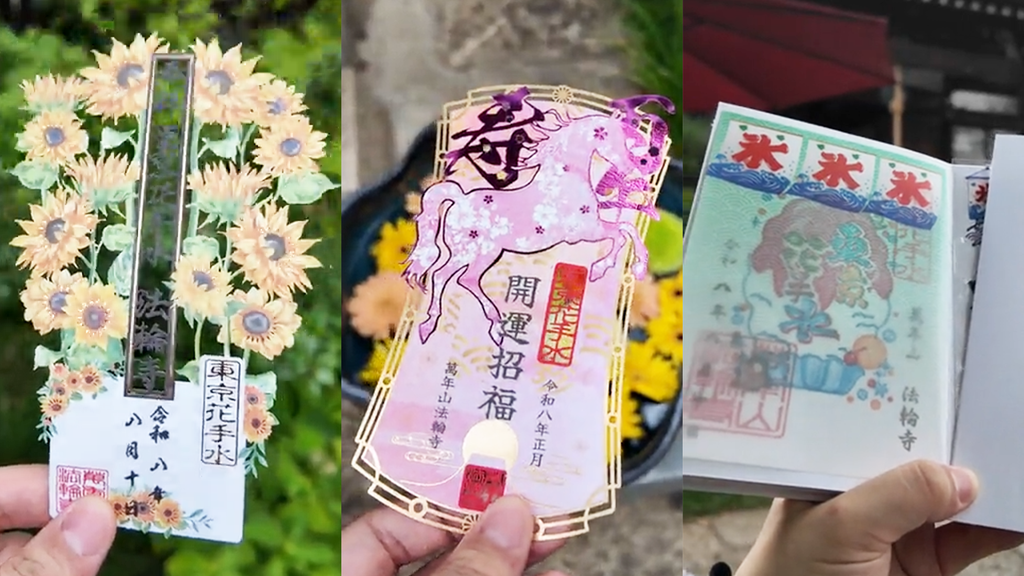
The Kirie Goshuin I Came For
The kirie goshuin were what originally convinced me to visit Horinji.
Seeing all those tiny cut-out details up close was even better than seeing them online. They feel less like a simple temple stamp and more like a small piece of paper art that I wanted to take my time looking at before putting it away.
One useful thing I learned is that the kirie designs are not necessarily released on a strict monthly schedule. Horinji keeps some designs available while stock lasts, and older designs may still be available when you visit. On the other hand, they can also disappear without notice once they sell out.
That actually made checking the available designs in person even more fun for me. I went in knowing roughly what I wanted, but there was still that little collector moment of, “Wait… they still have this one too?”
My Summer Favorite: The Kakigori Design
When I visited in summer, one of the designs that immediately caught my eye was inspired by kakigori, Japanese shaved ice.
It had a light, summery look that reminded me of the traditional shaved-ice banners you see in Japan during the hottest months. After climbing the temple steps in August heat and being greeted by mist and water outside, the design somehow felt perfectly matched to the day I visited.
That is exactly the kind of thing I love about seasonal goshuin. Later, when I look at the page again, I don’t only remember the design—I remember what the weather felt like, what the temple looked like, and why I chose that particular one.
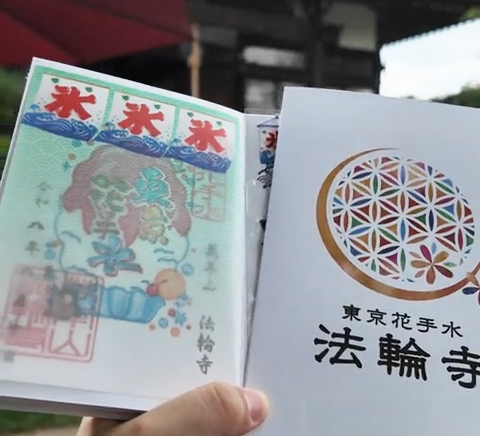
And Yes, I Loved the Little Extras Too
Another detail that made me smile was the small matching sticker that came with the special goshuin I received.
It is a tiny thing, but as someone who enjoys collecting these designs, those little extras make the experience feel even more special. I ended up looking at everything for much longer than I expected before finally putting it safely away.
For me, Horinji is the kind of place where choosing the goshuin is almost as much fun as receiving it.
And because the available designs can change—and some kirie goshuin may sell out without notice—I would definitely check Horinji Temple’s latest goshuin information before making the trip if there is one particular design you really want.
Location & Access
Address
1-1-15 Nishi-Waseda, Shinjuku-ku, Tokyo
Nearest Station
Waseda Station — About a 1-minute walk from the Tokyo Metro Tozai Line exit
Shrine Grounds
April–October — 7:00 AM – 5:00 PM
November–March — 7:30 AM – 4:30 PM
Shrine Office Hours
9:00 AM – 12:30 AM
1:00 PM – 4:30 PM
*The shrine office hours vary depending on the day. Please check the shrine’s Instagram or official website for the latest information.
Hatsuho-ryo (Offering Fee)
Sukashi Goshuin — 1,000 yen
Kirie Goshuin — 1,200 yen
*The fee varies depending on the goshuin design you choose
Official Instagram
https://www.instagram.com/hourinji/
Google Maps
Nearby Shrines
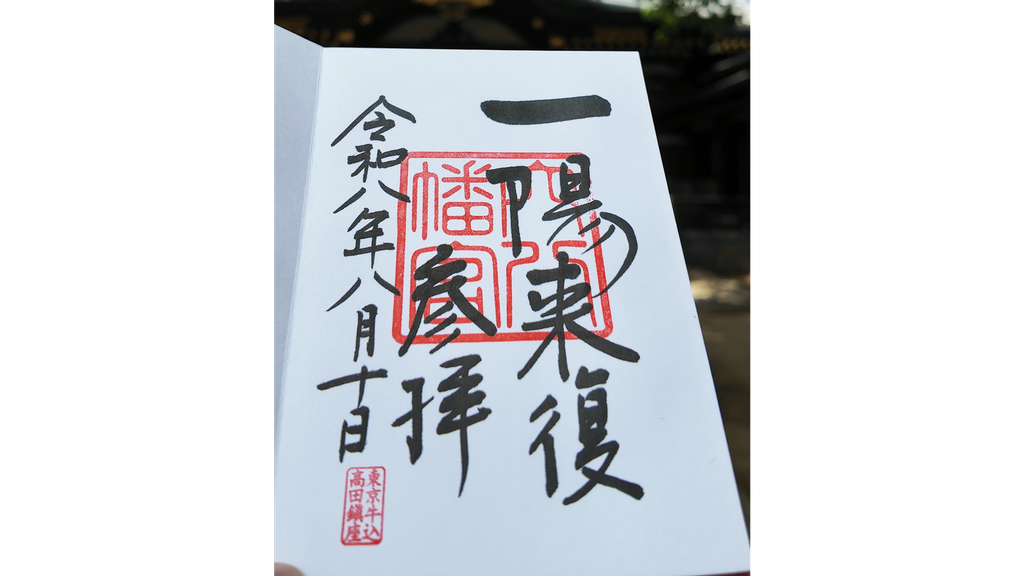
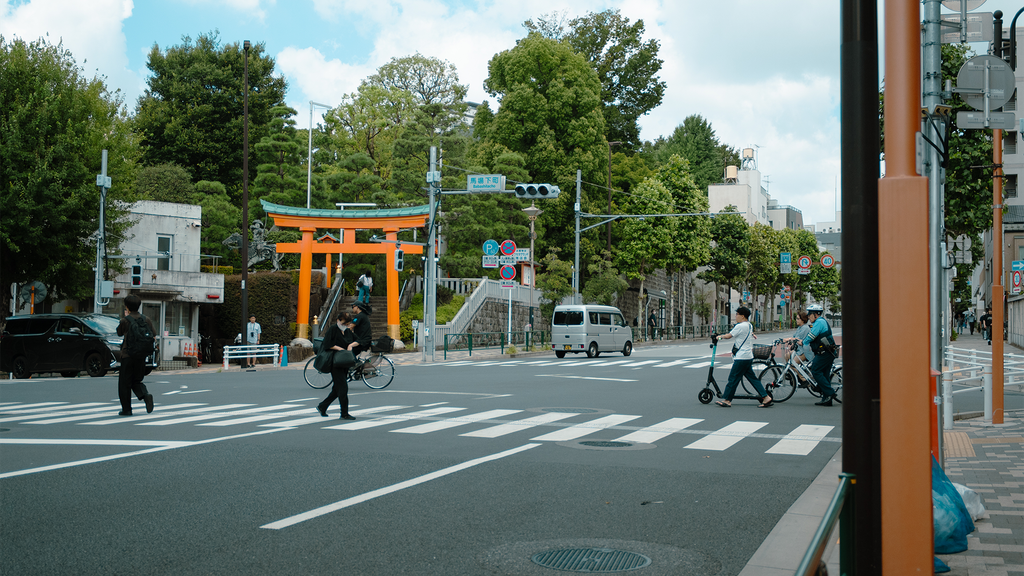
Anahachiman Shrine in Waseda
Anahachiman Shrine is a historic shrine located just a short walk from Waseda Station, with a history dating back more than 900 years. It is especially famous for its unique Ichiyoraifuku amulet, traditionally associated with good fortune and the smooth flow of money.
My Personal Visit Tip
Because I came specifically for the goshuin, I made sure to visit the Main Hall first rather than heading straight to the temple office.
Horinji is a Buddhist temple, so I quietly bring my hands together when I pray rather than clapping as I would at a Shinto shrine.
When I visited in August, the grounds were filled with seasonal flowers, cooling mist, and water displays. The temple is compact, so I found it much nicer to slow down, enjoy the decorations, and be careful not to block the narrow paths while taking photos.
If the chozuya is being used as a flower display when you visit, follow the temple’s setup and signage rather than assuming the water is available for purification.
And if there is one particular kirie goshuin you really want, check the latest availability before making the trip. Horinji does not take reservations or hold goshuin, and some paper-cut designs can finish without advance notice.
Turn Your Horinji Visit into a Waseda Goshuin Route
One of the things I really like about collecting goshuin at Horinji is that I don’t have to make the trip to Waseda for just one page.
Right across from Horinji is Anahachiman Shrine, so it is very easy to combine the two in the same visit. If you collect goshuin, though, there is one important thing to remember: bring your physical goshuincho with you.
Anahachiman Shrine normally writes its goshuin directly into a goshuincho and does not offer kakioki paper versions. So this is definitely not the place to realize that you left your book back at the hotel!
Also keep in mind that goshuin are generally not offered during the shrine’s famous Ichiyoraifuku amulet season, from the winter solstice through Setsubun.
And if kirie goshuin are your main obsession, there is another stop worth knowing about: Kantsuji Temple.
Kantsuji is also known for its paper-cut goshuin, with changing designs that make it a natural addition to a Waseda goshuin route. If I were planning a day specifically around decorative or paper-cut goshuin, I would definitely check what both Horinji and Kantsuji are offering before heading out.
For goshuin collectors, Waseda turned out to be a much more interesting area than I expected.
Local Tours
If you want to explore more of Waseda beyond goshuin collecting, you can also browse walking tours on Klook.
The neighborhood has a very different atmosphere from central Shinjuku, with university streets, historic temples and shrines, and quieter residential areas that are easy to overlook if you only come for one specific goshuin.
Is Horinji Temple Worth Visiting for Goshuin?
Absolutely—especially if you love artistic, seasonal, or kirie goshuin.
I originally went to Horinji Temple because I wanted to see its paper-cut goshuin for myself, and for me, the trip to Waseda was completely worth it. The hardest part wasn’t deciding whether to get a goshuin—it was deciding which design I wanted most.
What made the visit especially memorable was that the experience didn’t stop at the goshuin itself. I still remember climbing the steps in the August heat, feeling the cool mist as I entered, and seeing the colorful flowers and water displays around the temple grounds.
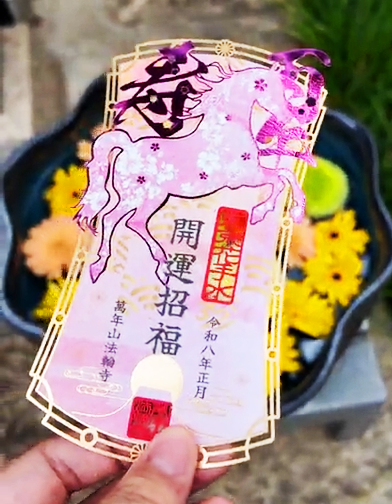
Later, when I look at the goshuin I collected that day, those little details come back with it. That is one of the things I love most about collecting goshuin—they become reminders of the places, seasons, and small moments surrounding each visit.
Horinji is also a particularly fun stop if you enjoy decorative goshuin because the available designs can change throughout the year, and some kirie editions may disappear once they sell out.
For me, that little uncertainty is part of the fun.
If you are looking for beautiful kirie or seasonal goshuin in Tokyo—and especially if you enjoy building an entire trip around collecting them—I definitely think Horinji Temple is worth adding to your Waseda goshuin route.