Step Beyond the Double Torii into a Quiet Sacred Corner Near Ueno
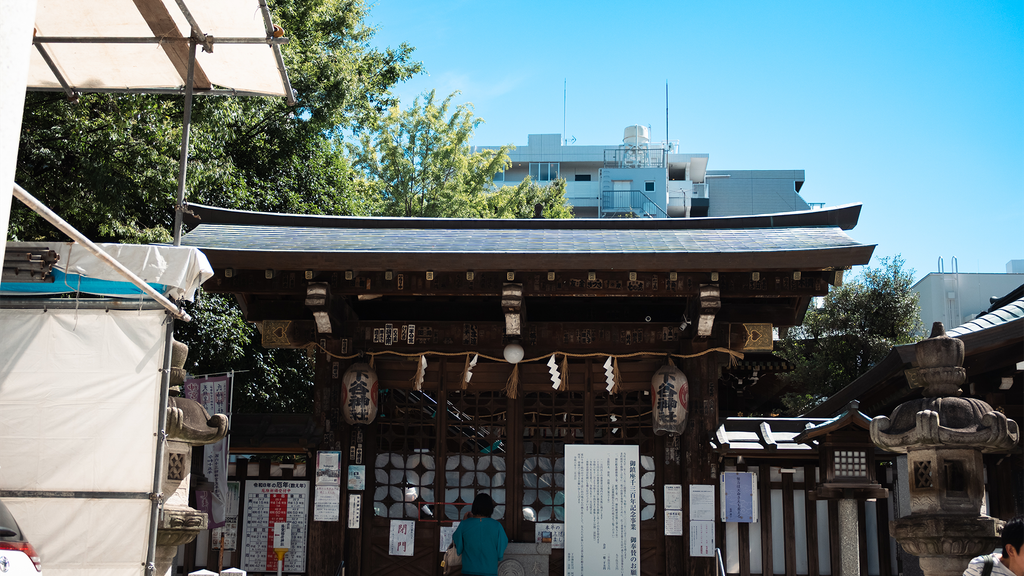
Just a short walk from Ueno, Shitaya Shrine felt surprisingly removed from the busy streets around it.
As I turned off the main road and approached the shrine, the first thing that caught my attention was the large red torii. Beyond it, a second stone torii marked the entrance to the shrine grounds.
Passing through the two gates felt almost like moving through layers, with the noise of the city gradually fading behind me.
Shitaya Shrine was founded in 730 and is known as the oldest Inari shrine in Tokyo. Despite that long history, it sits quietly in Higashi-Ueno, only a short walk from Ueno Station.
Once inside, the traffic seemed to fade into the background.
The shrine grounds are not especially large, but that became part of their charm for me. They felt calm, local, and easy to explore without the sense of being overwhelmed by a major sightseeing spot.
And history was only part of the reason I wanted to visit.
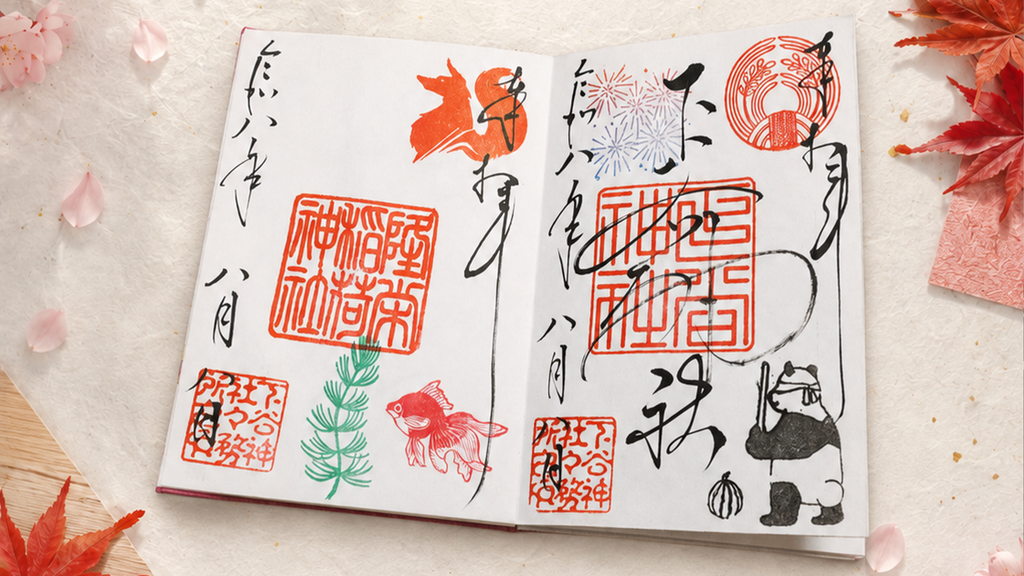
Shitaya Shrine is also known for its beautifully designed goshuin, including special editions that change depending on the month or specific date.
For me, that combination of long history, a quiet atmosphere, and changing goshuin designs made the shrine especially interesting.
If you enjoy collecting goshuin—or simply want to discover a quieter side of the Ueno area—Shitaya Shrine is well worth knowing about.
Fox Guardians, a Resident Turtle, and a Summer Serenade
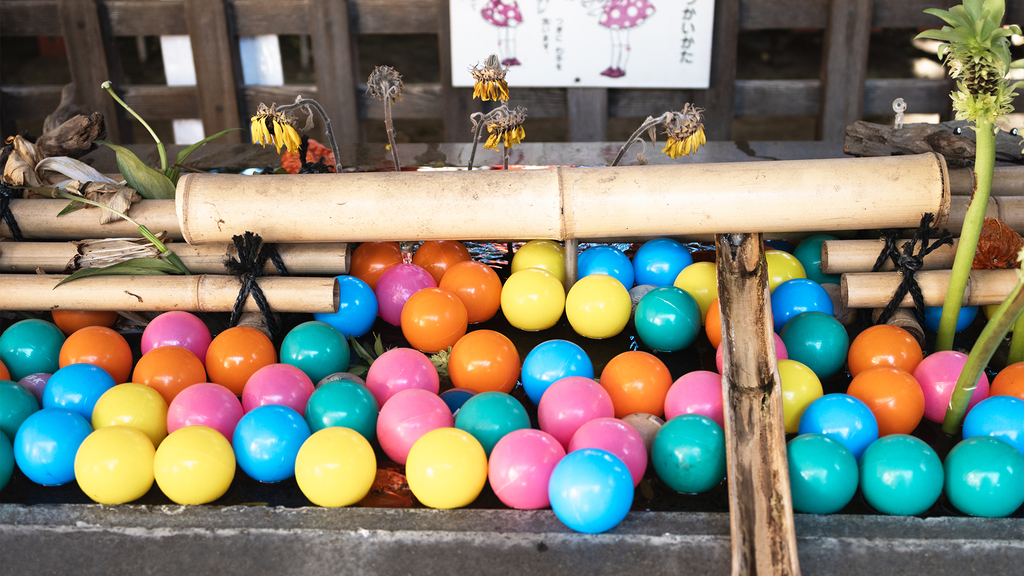
When I visited on a scorching August afternoon, my senses were immediately awakened. As I walked up to the temizuya (purification pavilion) to cleanse my hands, I was mesmerized to see it filled with brightly colored floating balls. I honestly felt instantly cooler just looking at them!
As I stood there, the distant rhythm of local construction mixed with the loud summer chorus of cicadas. I remember thinking to myself, “This is what a real Japanese summer feels like.”
After offering my prayer at the main hall, I turned to the left and walked through a tunnel of small red torii gates.
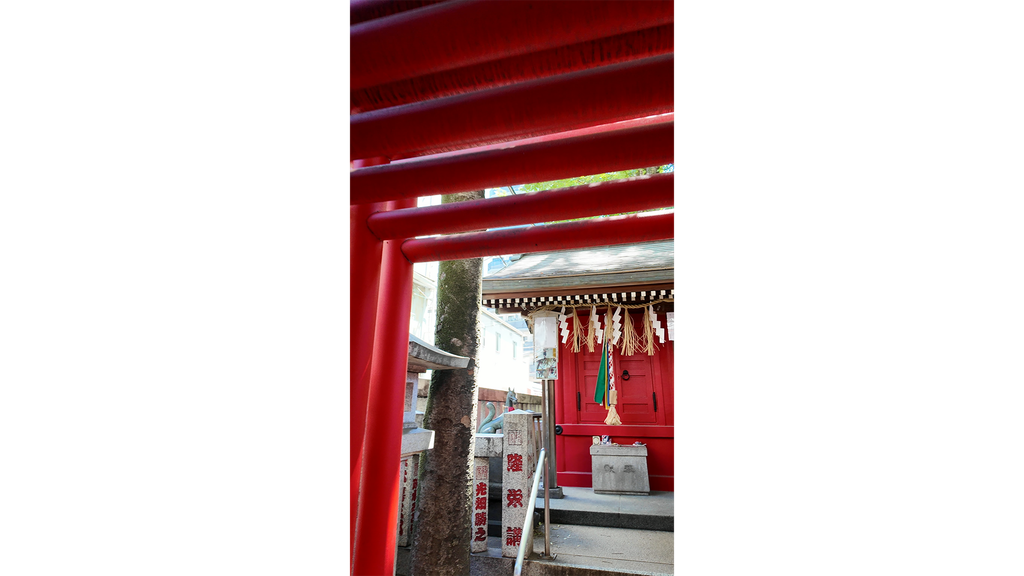
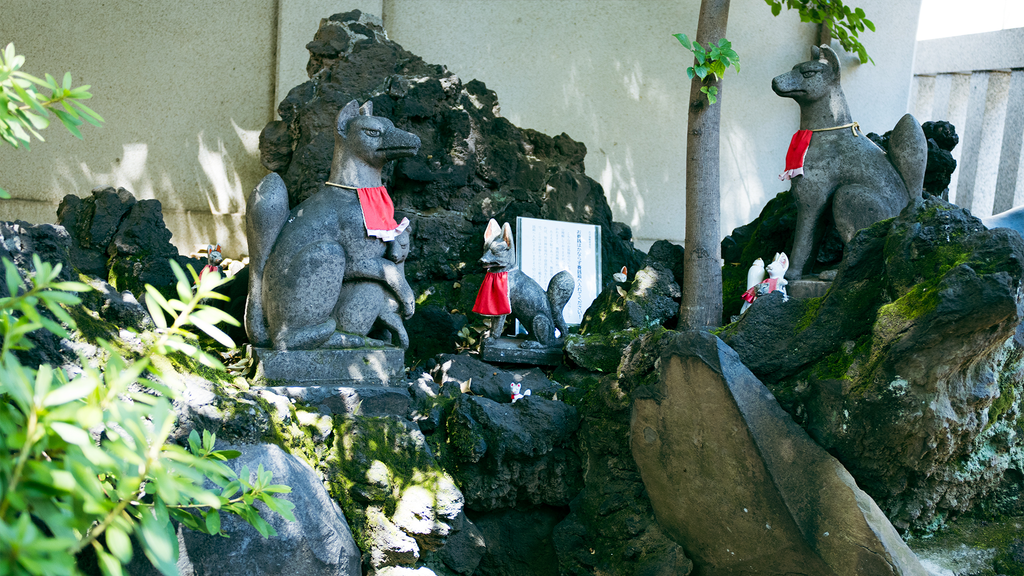
I felt a quiet sense of awe as I stepped into the small sub-shrine, Ryuei Inari Shrine, where dozens of stone fox messengers (kitsune) stood lined up around me.
For a moment, it almost felt as if they were quietly watching every move I made.
I also kept looking for Jenny, the shrine’s resident turtle.
I did not manage to spot her that day, but I still found myself checking around the water, hoping she might suddenly appear.
In Japan, turtles have long been associated with longevity, so I always feel a little lucky whenever I happen to see one at a shrine.
Monthly Limited Designs That Make Me Want to Come Back Again
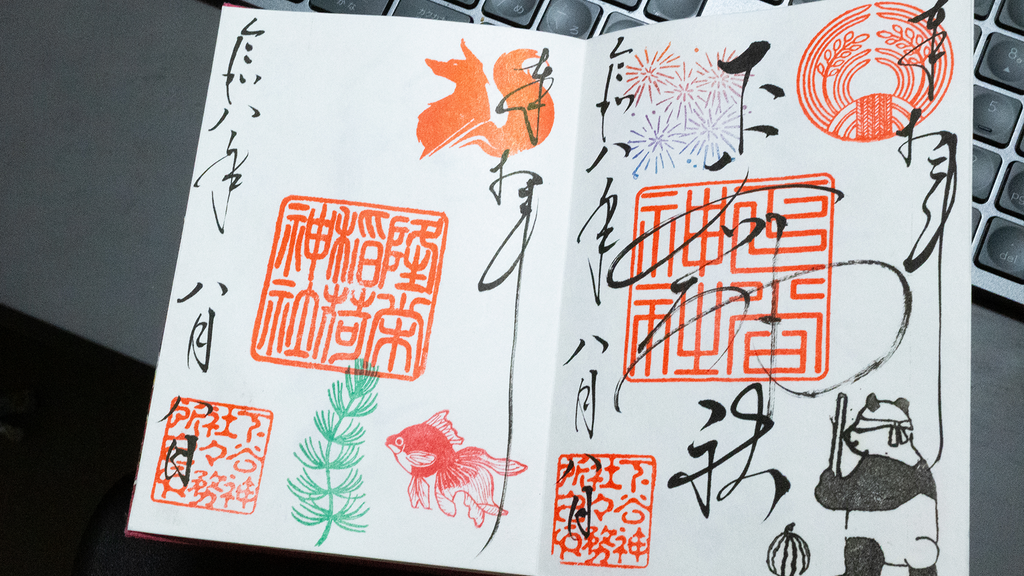
If you enjoy collecting beautifully designed goshuin, Shitaya Shrine is a particularly fun place to visit.
When I received the August limited goshuin, the seasonal artwork immediately caught my attention.
Here is what made it especially memorable for me:
My August Goldfish Discovery
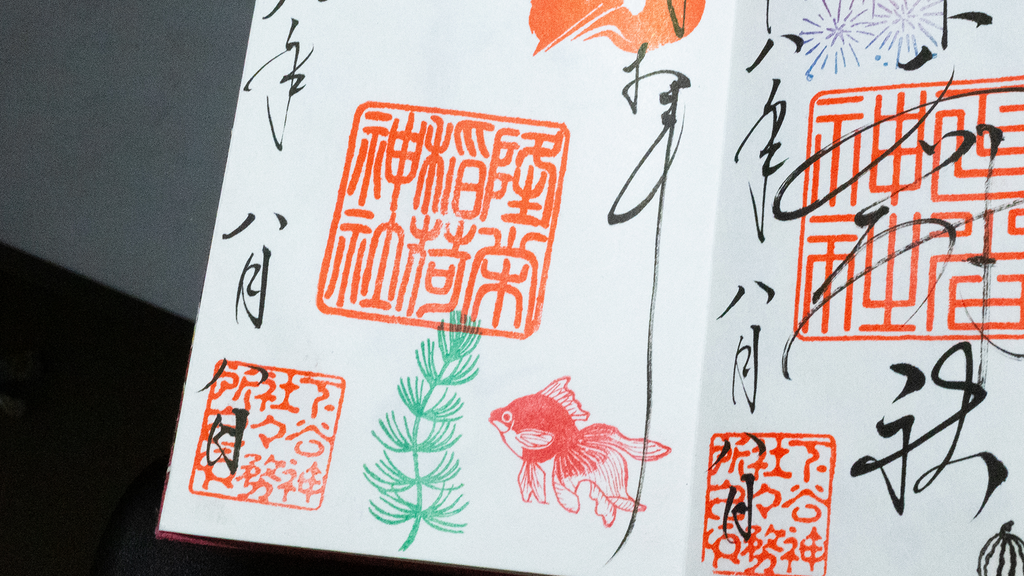
The August goshuin I received from Ryuei Inari Shrine featured a bright goldfish swimming beside aquatic plants.
The design felt wonderfully cool and refreshing for summer, and just looking at it made me think of a light breeze on a hot August day.
The Cutest Panda Stamp
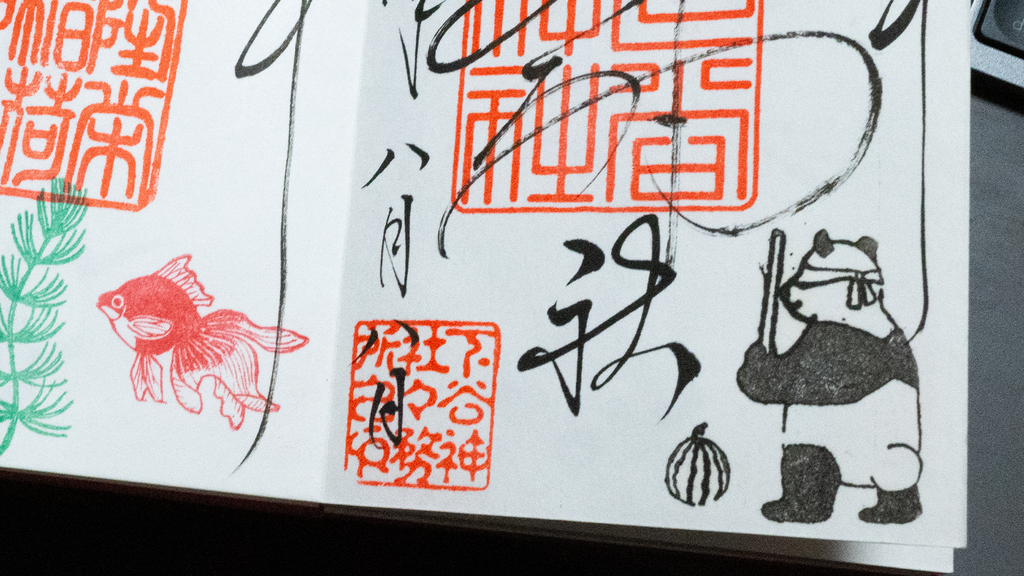
I also loved the playful panda motif on Shitaya Shrine’s goshuin.
The panda designs change with the seasons, and the one I saw in August showed the panda enjoying a very Japanese summer scene.
It was such a cute design that I immediately wanted to keep looking at all the little details.
Flexible Collecting Options
I also liked that, when I visited, I could choose between having the goshuin written directly into my goshuincho (jikagaki) or receiving a prepared separate sheet (kakioki).
Both options were available during my visit, although the shrine also had specific limits on how many goshuin each person could receive.
Why the Timing Matters
One of the things I enjoy most about Shitaya Shrine is that its limited goshuin designs change from month to month.
If I see a seasonal design online that I especially like, it immediately gives me a reason to think about visiting again before that design is gone.
Location & Access
Address
3-29-8 Higashi-Ueno, Taito-ku, Tokyo
Nearest Station
Ueno Station — About a 6-minute walk
Inaricho Station — About a 2-minute walk
Shrine Grounds
Open 24 hours
Shrine Office Hours
9:00 AM – 4:00 PM
*The shrine office hours vary depending on the day. Please check the shrine’s Instagram or official website for the latest information.
Hatsuho-ryo (Offering Fee)
Limited-edition Goshuin — 500 yen
Goshuin — 500 yen
*The fee varies depending on the goshuin design you choose
Official Instagram
https://www.instagram.com/shitayajinja.official/
Google Maps
My Personal Visit Tip
When you step through the two torii gates, I recommend pausing for a moment before heading straight to the main hall.
When I visited, I enjoyed simply standing there and noticing how the traffic noise seemed to fade as I moved farther into the shrine grounds.
On that hot August day, I also stopped at the temizuya to cleanse my hands and take a closer look at the colorful decorations floating on the water.
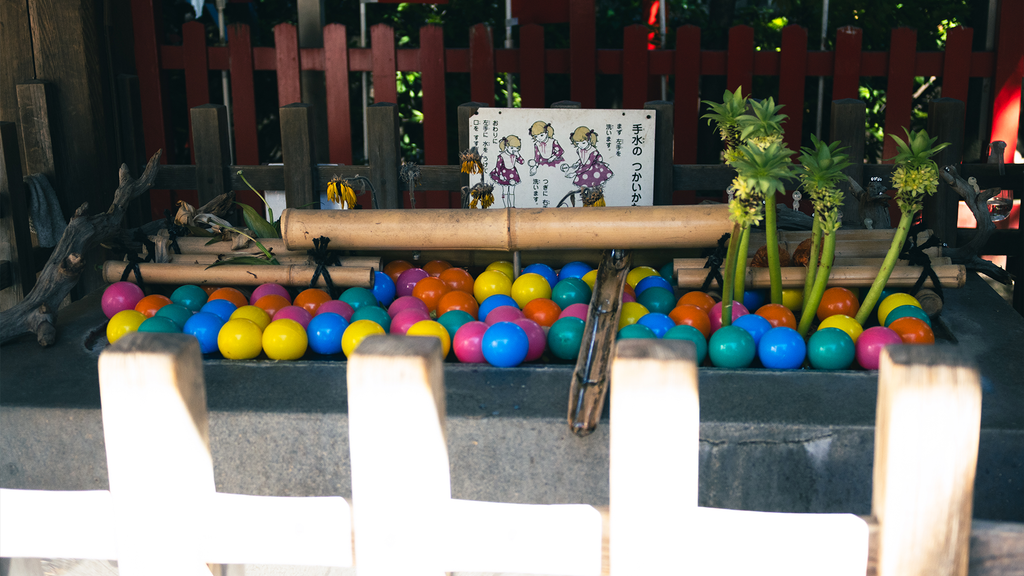
After cleansing my hands, I made my way to the main hall to offer my prayer. From there, I headed toward the small Inari sub-shrine on the left, passing through the rows of red torii gates.
I personally like to pause for a moment and look at the stone foxes before taking out my camera.
They are one of my favorite details at Shitaya Shrine, and slowing down for just a few seconds made the visit feel more memorable to me.
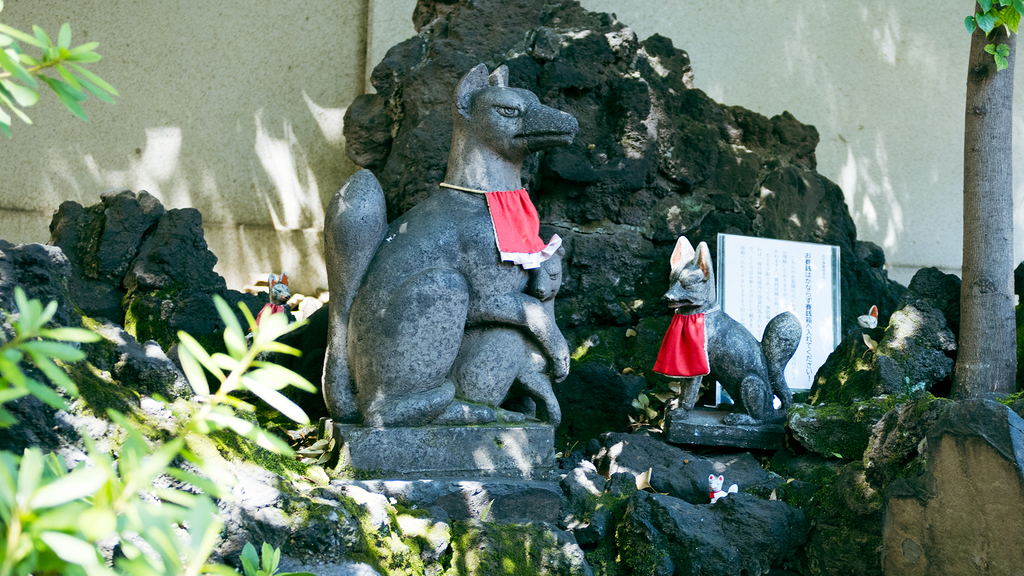
As with any shrine, remember that Shitaya Shrine is first and foremost a place of worship.
Be mindful of people who are praying, avoid blocking paths or entrances when taking photos, and follow any photography signs or instructions posted around the shrine grounds.
Nearby Shrines
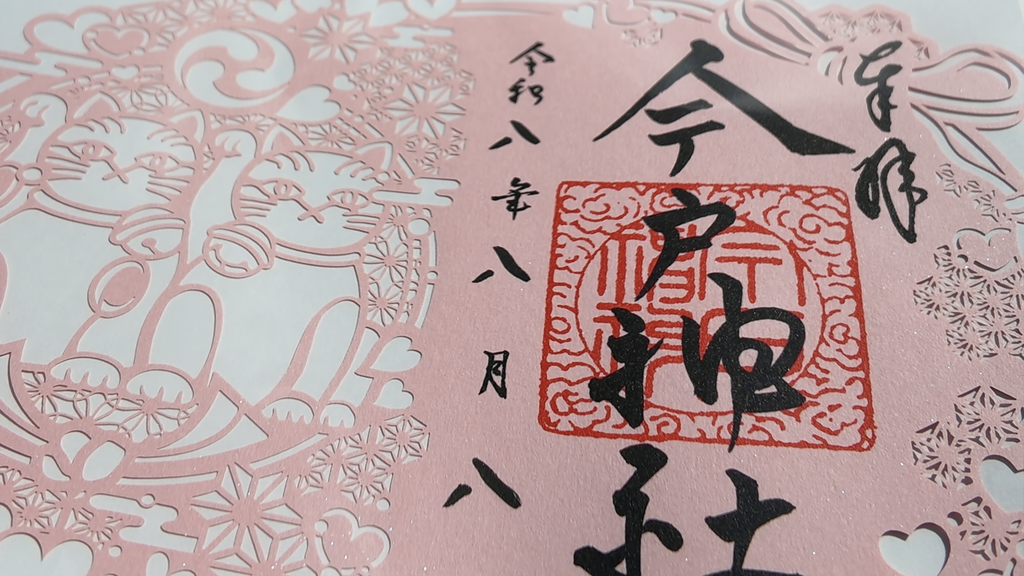
Imado Shrine Guide in Asakusa
Visit a charming Asakusa shrine known for its lucky cat statues, matchmaking connections, and distinctive goshuin.
From Fox Guardians to Thick-Cut Yakiniku
After enjoying the quiet atmosphere of Shitaya Shrine, I like heading back toward Ueno Station—and, of course, finding something good to eat.
After my visit, I stopped at Yakiniku Fuji Ueno Main Store near Ueno Station.
What I remember most was the thick-cut beef. The pieces were juicy and surprisingly tender, and after spending the afternoon walking around the shrine, it felt like exactly the kind of meal I wanted.
Local Tours
If you want to explore more of Ueno beyond the major sightseeing spots, a local walking or food tour can also be a useful way to discover smaller streets, restaurants, and places you might otherwise walk straight past.
Some links on this page are affiliate links. If you book through them, we may earn a small commission at no extra cost to you.
Is Shitaya Shrine Worth Visiting?
For me, yes—especially if you enjoy goshuin, quiet local shrines, and places that feel a little removed from Tokyo’s busiest sightseeing areas.
What I loved most about Shitaya Shrine was the contrast. It is only a short walk from Ueno, yet once I stepped through the two torii gates, the atmosphere felt completely different.
I could hear the cicadas, stop at the colorful summer temizuya, walk through the small red torii gates to Ryuei Inari Shrine, and spend time looking at the rows of stone foxes.
The goshuin were also one of the highlights of my visit. The seasonal designs I received in August—especially the goldfish and panda motifs—made the shrine even more memorable for me.
If you are already exploring Ueno or Asakusa and want to add a quieter shrine with seasonal goshuin to your route, I think Shitaya Shrine is well worth the short detour.