Hidden Between Skyscrapers: Discovering the Legend of Taira no Masakado
Walking downhill from Yasukuni Shrine toward Kudanshita Station, I almost felt like I could have walked straight past Tsukudo Shrine without noticing it.
Surrounded by modern office buildings, the entrance blends surprisingly easily into the city.
But once I stepped through the torii, the atmosphere changed. Hidden behind the modern streets was a shrine with a history stretching back more than 1,000 years—and a connection to one of the most famous samurai figures in Japanese history, Taira no Masakado.
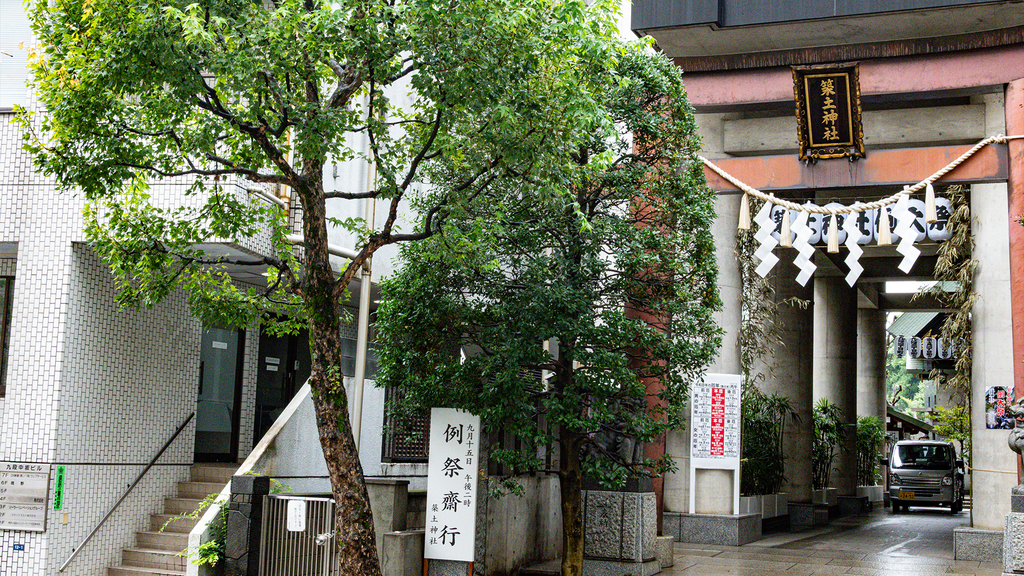
Tsukudo Shrine was founded in 940 and has a long connection with Taira no Masakado, one of the most famous figures in early Japanese warrior history.
Today, Masakado is enshrined here alongside Sugawara no Michizane, while the shrine’s principal deity is Ninigi-no-Mikoto.
If you have spent any time exploring Tokyo’s history, you may already have come across Masakado’s name. After his death, the 10th-century warrior became the subject of numerous legends, including stories about his restless spirit that have remained part of Tokyo folklore for centuries.
That history was exactly what made me curious about this tiny shrine.
After visiting the enormous grounds of Yasukuni Shrine, stepping into a sanctuary hidden almost completely between office buildings felt like discovering a secret corner of Tokyo.
It was quiet, compact, and very easy to overlook.
But knowing that this small shrine had survived centuries of relocation, war, and the constant transformation of Tokyo made me want to slow down and look much more closely.
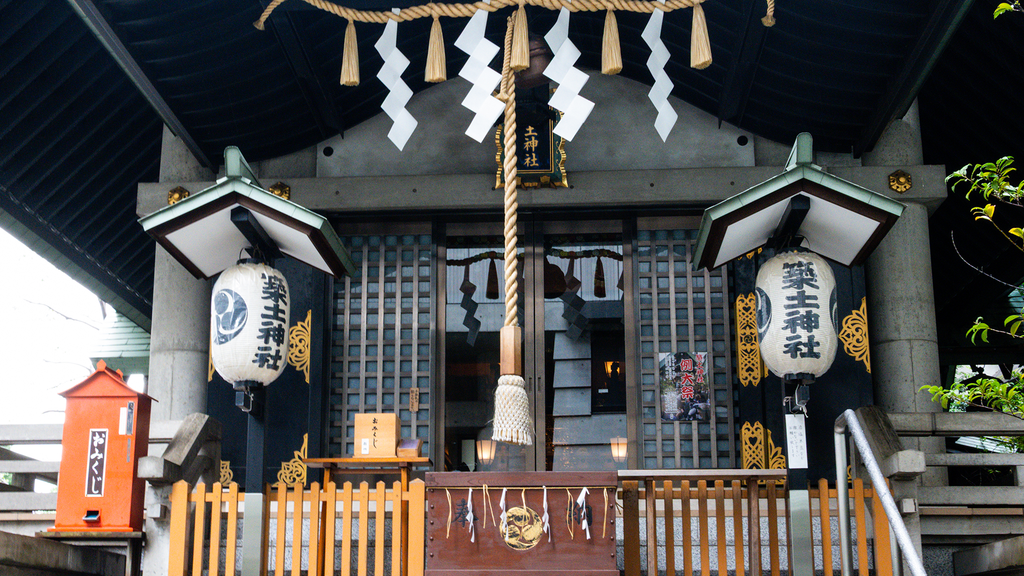
Taira no Masakado’s Legend & the Dragon’s Gaze
Have you ever heard of Taira no Masakado?
He was a 10th-century warrior who led a rebellion against the central government during the Heian period and was eventually defeated and killed in 940.
But his story did not end there.
Over the centuries, Masakado became surrounded by legends, especially stories connected with his severed head and restless spirit.
Some of Tokyo’s best-known traditions surrounding Masakado are connected to his kubizuka, or “head mound,” in Otemachi. Stories of accidents and misfortune after the site was disturbed have become part of Tokyo folklore.
Whether you believe those stories or not, this was one of the things that made Masakado’s connection to Tsukudo Shrine so interesting to me. His story exists somewhere between documented history and centuries of legend, and that made me want to pay much closer attention to the details around the shrine.
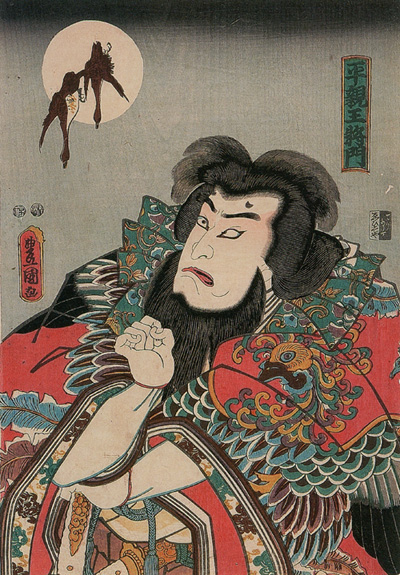
At Tsukudo Shrine, however, the atmosphere I experienced was nothing like the unsettling legends surrounding Masakado.
It was quiet and calm.
Near the entrance, the temizuya immediately caught my attention. A stone dragon watches over the purification basin, with water flowing from its mouth.
Standing there, I found the dragon much more intriguing than intimidating.
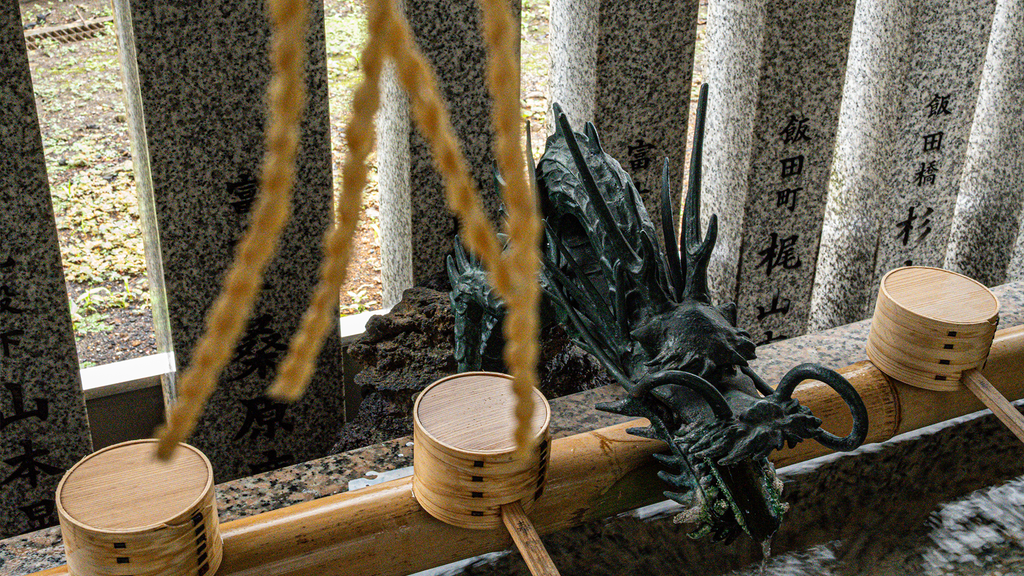
As I cleansed my hands and continued toward the shrine building, the surrounding office buildings seemed to disappear for a moment.
The shrine grounds are small, but knowing that Masakado has been worshipped here for centuries gave the space an unexpected sense of weight.
I climbed the steps, stood before the shrine, and prayed quietly.
Rather than feeling afraid, I felt unusually calm.
For me, that contrast was one of the most memorable parts of visiting Tsukudo Shrine: the legends surrounding Masakado can sound dramatic, but the shrine itself felt quiet, compact, and deeply rooted in the city around it.
Blessings at Tsukudo Shrine
Tsukudo Shrine is also associated with prayers for victory and lasting martial fortune, reflecting its historical connection with Taira no Masakado.
The shrine offers prayers and amulets for a range of wishes, including victory, business prosperity, safety, good fortune, and protection from misfortune.
So even if the Masakado legends are what first bring you here, Tsukudo Shrine is still very much a living place of worship—not simply a historical or supernatural sightseeing spot.
A Sacred Shield: The Classic Seal Infused with Samurai Spirit
After learning about Tsukudo Shrine’s long connection with Taira no Masakado, I naturally wanted to add its goshuin to my collection.
Unlike some of the colorful kirie and embroidered goshuin I often introduce on Sacred Japan Guide, the goshuin here has a much more traditional appearance.
And for me, that simplicity suited this small historic shrine perfectly.
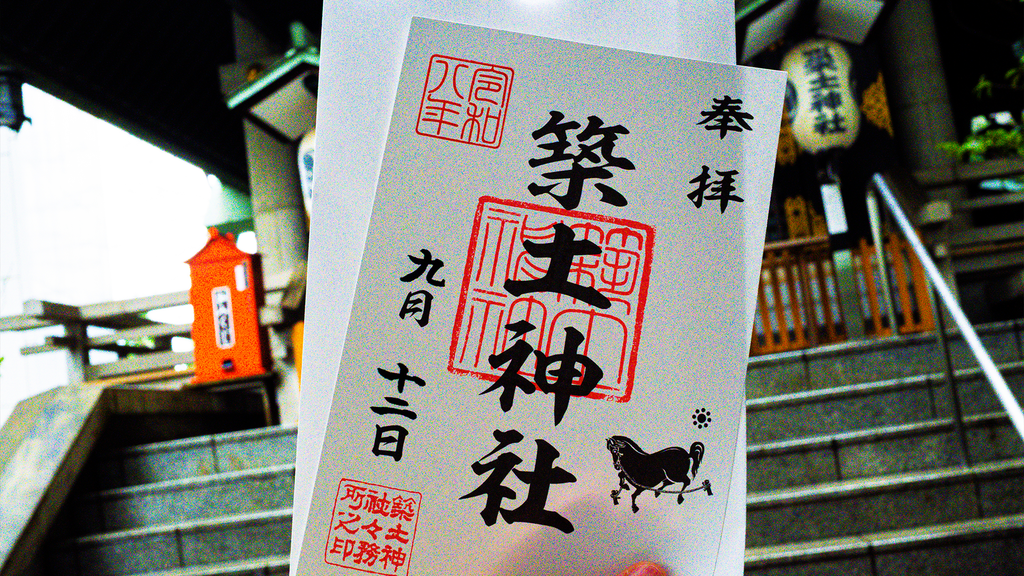
A Simple, Traditional Design
The goshuin uses classic black calligraphy and red seals rather than elaborate illustrations or seasonal decorations.
At first glance, it may seem quite simple.
But for me, knowing that I received it at a shrine with more than 1,000 years of history—and such a strong connection to Taira no Masakado—made it much more memorable.
Sometimes a goshuin does not need to be colorful to tell a good story.
Goshuin Are Provided as Kakioki
When I visited, Tsukudo Shrine provided its goshuin as kakioki, meaning it was prepared on a separate sheet of paper rather than written directly into my goshuincho.
The offering fee was ¥500.
I carefully added mine to my goshuincho after returning home.
Looking for Something Connected Directly to Masakado?
There is one useful distinction for collectors.
The standard goshuin itself is not presented as a special “Taira no Masakado goshuin.”
However, Tsukudo Shrine also offers a separate Taira no Masakado Reijin ofuda, a sacred talisman connected with prayers for victory and lasting martial fortune.
So if Masakado is the main reason for your visit, it is worth looking at the shrine’s other sacred items as well as the goshuin.
Availability and offering fees may change, so I recommend checking the shrine’s latest official information before your visit.
Location & Access
Address
1-14-21 Kudankita, Chiyoda-ku, Tokyo 102-0073
Nearest Station
Kudanshita Station — about a 2-minute walk from either Exit 1 or Exit 7
You can reach Kudanshita Station via — Toei Shinjuku Line / Tokyo Metro Hanzomon Line / Tokyo Metro Tozai Line
Shrine Grounds
Open 24 hours
Shrine Office Hours
9:00 AM–5:00 PM
*The shrine office hours vary depending on the day. Please check the shrine’s Instagram or official website for the latest information.
Hatsuho-ryo (Offering Fee)
Goshuin — 500 yen
*The fee varies depending on the goshuin design you choose
Google Maps
Nearby Shrines
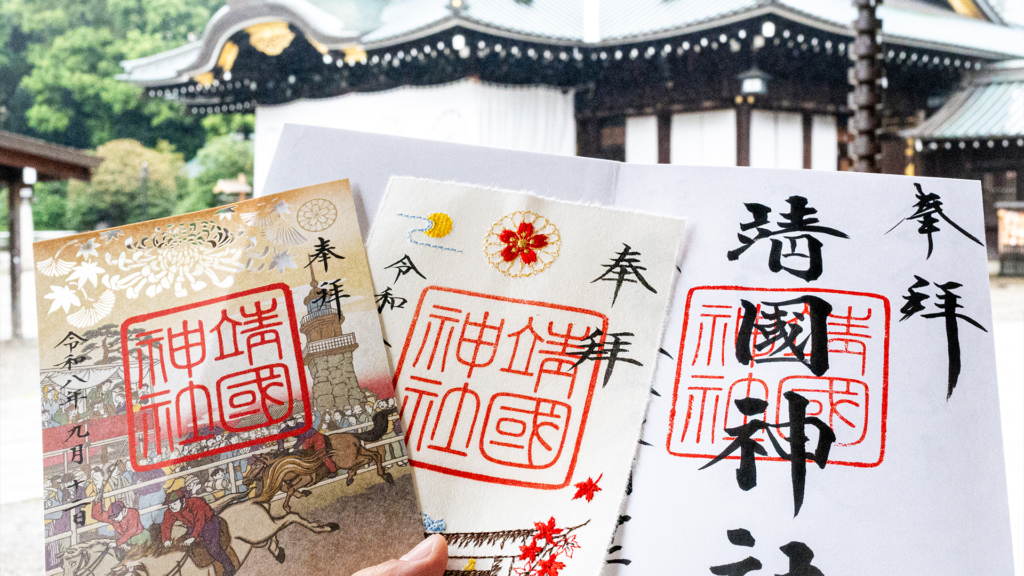
Yasukuni Shrine in Chiyoda
Yasukuni Shrine is a historic shrine located near Kudanshita in central Tokyo. It is closely connected to Japan’s modern history and is known for its cherry blossoms, memorial significance, and distinctive goshuin.
Finding the Shrine Office
The shrine office can be surprisingly easy to overlook on your first visit.
When I visited, I followed the banners toward the quieter area behind the main part of the shrine grounds to find where the goshuin was available.
Because Tsukudo Shrine is tucked between modern buildings, the layout can feel a little less obvious than at larger shrines. I would take a moment to look around rather than assuming you have already reached the end of the grounds.
What to Do Near Tsukudo Shrine
One of the things I like most about Tsukudo Shrine is its location.
Although it feels like a tiny hidden sanctuary tucked between office buildings, it is within easy walking distance of several very different parts of central Tokyo.
Pair Your Visit with Yasukuni Shrine
If you have not visited Yasukuni Shrine yet, the two shrines are easy to combine on foot.
Tsukudo Shrine is small, quiet, and closely connected with the legends of Taira no Masakado, while Yasukuni Shrine has much larger grounds and a very different connection with Japan’s modern history.
I liked seeing that contrast in the same area.
If you collect goshuin, visiting both also gives you two very different additions to your goshuincho.
Walk to Jimbocho for Books & Curry
After visiting the shrine, I would continue toward Jimbocho.
Jimbocho is one of Tokyo’s best-known book districts, with secondhand bookstores, specialist shops, old maps, art books, manga, and plenty of unexpected things to browse.
It is also well known for curry, with many curry restaurants packed into the surrounding streets.
For me, this makes a really good combination: start with old samurai legends at Tsukudo Shrine, then finish with Japanese curry and a little bookstore hunting.
It feels like a very Tokyo kind of afternoon.
Explore the Area with a Local Guide
If the stories surrounding Taira no Masakado made you curious about Tokyo’s samurai history, old legends, or lesser-known neighborhoods, a local walking tour can be another way to understand the area in more depth.
Some links on this page are affiliate links. If you book through them, we may earn a small commission at no extra cost to you.
Is Tsukudo Shrine Worth Visiting?
Tsukudo Shrine is not a place I would recommend for grand architecture or a long list of famous attractions.
It is small, quiet, and surprisingly easy to miss.
But for me, that was exactly what made it memorable.
Hidden between modern office buildings, this tiny shrine carries more than 1,000 years of history and a deep connection with Taira no Masakado, whose story has become part of Tokyo’s historical folklore.
What I enjoyed most was the contrast.
One moment, I was walking through the busy streets around Kudanshita. The next, I was standing in front of the dragon temizuya, thinking about stories that have survived for centuries.
The goshuin is simple compared with the colorful kirie and embroidered designs I often collect, but at Tsukudo Shrine, the history behind the place is what gave it character for me.
If this is your first trip to Tokyo and your schedule is already packed with major sights, Tsukudo Shrine may not need to be a top priority.
But if you have visited Tokyo before, collect goshuin, enjoy samurai history, or simply like discovering small places that are easy to overlook, I think Tsukudo Shrine is well worth adding to your route.
And because Yasukuni Shrine and Jimbocho are both nearby, it is easy to turn this tiny shrine into part of a much bigger day exploring central Tokyo.